
The Cultural Oneness Festival is an annual event held in Northern Ghana that celebrates the rich cultural diversity of the region while promoting unity, cultural exchange, and economic development. This vibrant festival seeks to bring together people from diverse backgrounds, both local residents and international visitors, to experience and appreciate the unique traditions, arts, and music of the various communities that make up Northern Ghana’s cultural landscape.
Chief Martin Glenn, president of the Cultural Oneness Festival, describes the event as a powerful platform for unifying African people worldwide. According to him, the festival transcends geographic boundaries, connecting diasporans and Africans alike as brothers and sisters on the continent, regardless of where they were born. A key focus of the festival is empowerment—creating sustainable sources of income that help drive the development of Africa economically and culturally. This year’s festival is hosted in Tamale, the bustling capital of Northern Ghana.
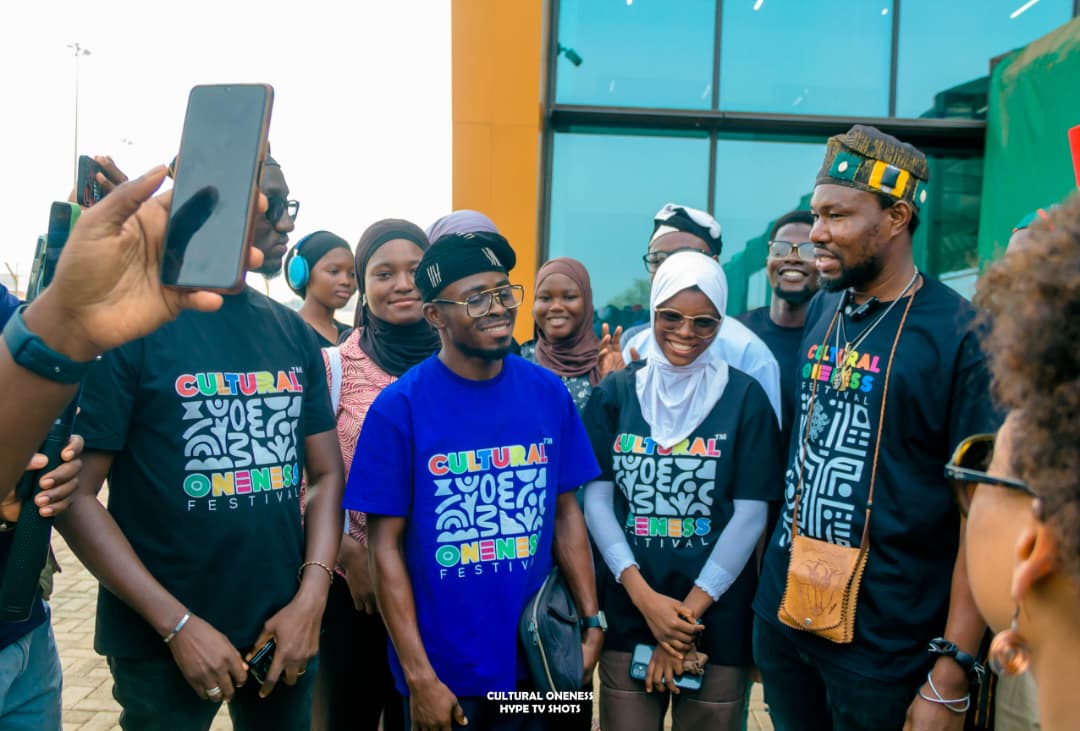 The festival’s program is designed with several important components that highlight history, culture, and youth development. It begins with a significant cultural tour starting from Accra and running all the way to the northern part of Ghana. This journey highlights the origins of the transatlantic slave trade, a painful chapter in African history. Visitors will tour key sites, Salaga, where slave camps once stood and from which many diasporans’ ancestors were taken before taking them to Cape Coast, another historic center linked to the slave trade.
The festival’s formal activities commence on December 11th with a grand durbar—a traditional gathering—welcoming chiefs and kings from the far regions of Northern Ghana. This durbar not only marks the opening but also symbolizes the traditional leadership’s role in uniting the diverse communities of the north.
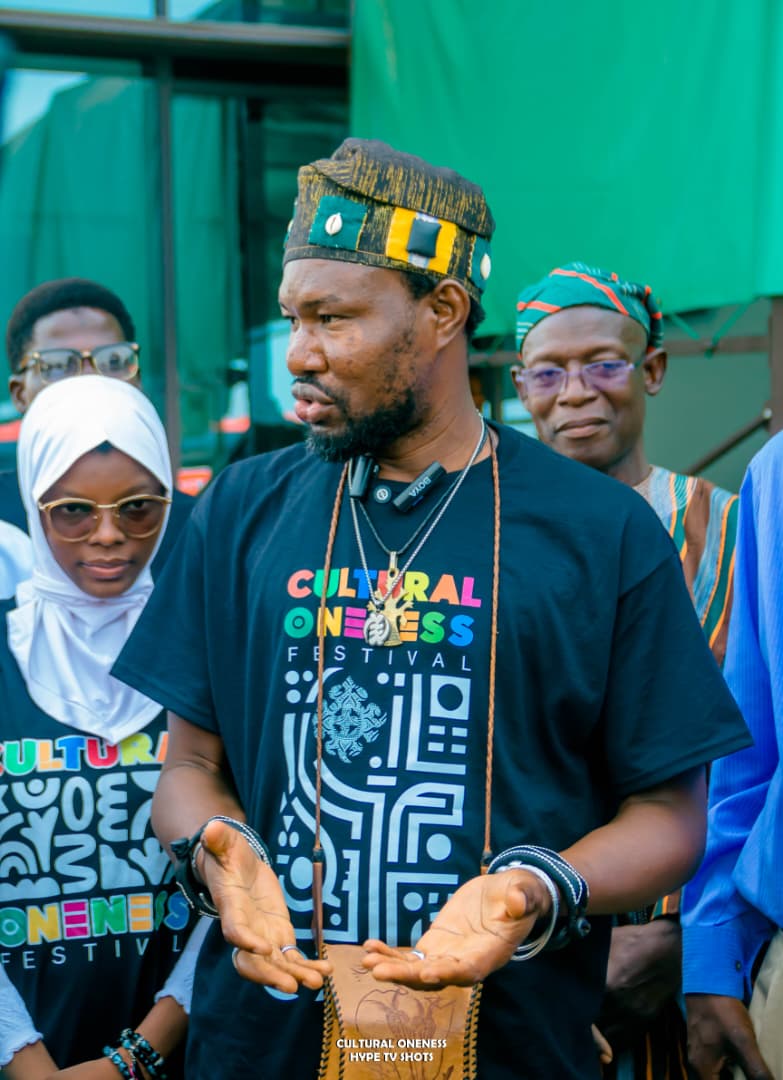 On December 12th, the focus shifts to the youth with a dedicated empowerment seminar involving students from universities. The seminar, supported by the University of Development Studies, aims to equip young people with entrepreneurial skills, teaching them practical ways to start and grow businesses. This initiative reflects the festival’s broader goal to inspire economic independence and innovation among the younger generation.
The cultural celebrations continue on December 13th with the “Palace Experience,” an annual highlight where participants visit a royal palace to immerse themselves in traditional customs and history. This year, the event is set in Bupe, located in the Northern, offering diasporans and visitors a rare chance to engage deeply with local heritage.
His Royal Majesty Nabongo Peter Mumia II, Wanga Kingdom, a prominent cultural leader, expressed his strong backing for the festival, emphasizing its importance in bringing together the Northern diaspora. He noted that organizing such gatherings helps realize key objectives—especially the broader vision of the “Taste of Africa” initiative, which seeks to unify African communities through cultural and political collaboration.
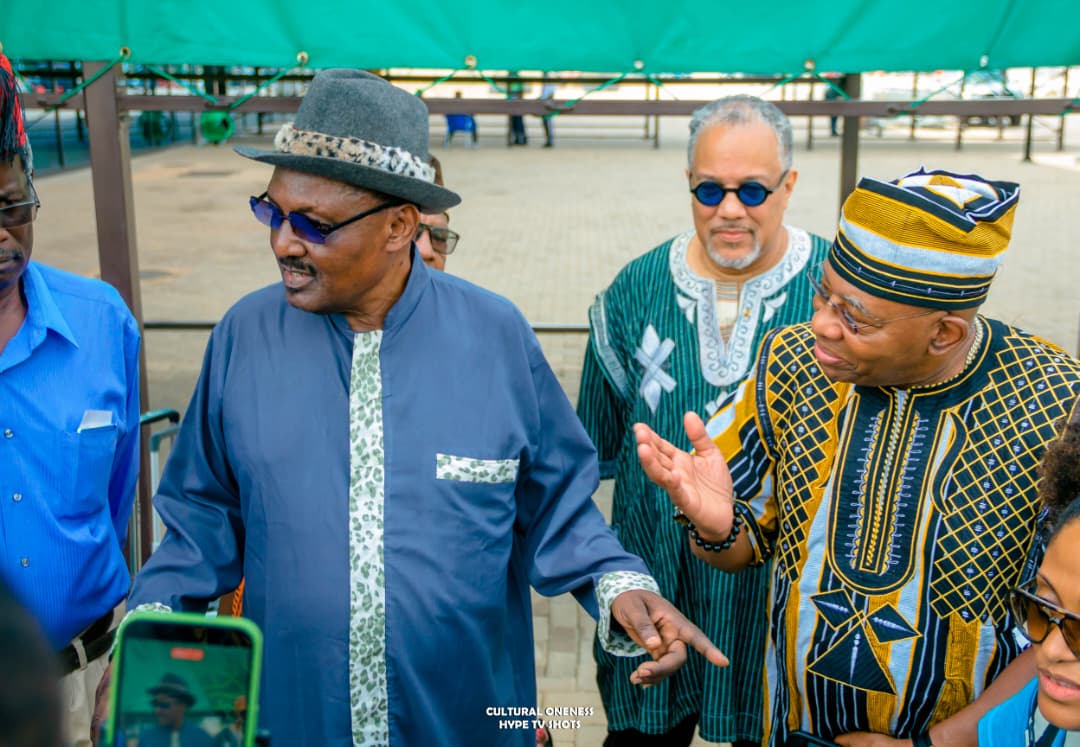 The King explained that the festival is not just limited to Ghana but is part of a larger effort to foster unity across Africa. His Royal Majesty envisions expanding these cultural meetings to other parts of the continent, enabling the African kings and traditional leaders who could not make it to Ghana to join future gatherings elsewhere. He stressed that the ultimate aim is for African kingdoms and cultures to unite both culturally and politically, helping strengthen continental solidarity.
His Royal Majesty Nabongo Peter Mumia II urged Ghanaians, especially those who may have missed previous communications about the festival, to take note and participate. He emphasized the significance of the messages conveyed during the festival, indicating that they are vital not only for Ghanaians but for all Africans. He highlighted how the involvement of young people in organizing the event fosters encouragement and belief in their potential to actively contribute to Africa’s future. Their participation creates a sense of hope and partnership between generations, fueling the ongoing work to build a prosperous and united continent.
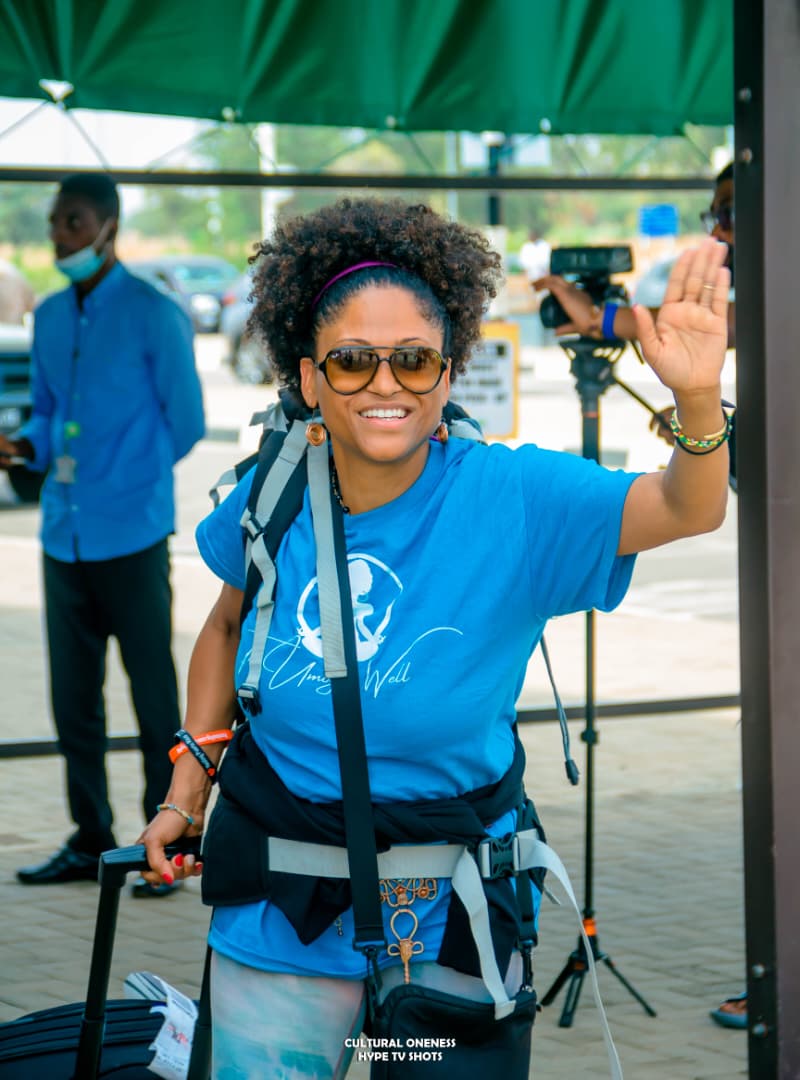
By blending historical reflection, cultural celebration, youth empowerment, and political dialogue, the Cultural Oneness Festival stands as a beacon of hope and progress for Northern Ghana, the African continent, and its global diaspora. It offers a unique platform where the past meets the present, and various African cultures can gather, learn from each other, and move forward in concert toward development and unity.
Story by: Mercy Addai Turkson