
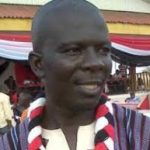
Founder of the United Front Party, Nana Agyenim Boateng, popularly known as Dzata Ba, has thrown his support behind the government’s Free Primary Health Care initiative, describing it as a timely and life-saving intervention for Ghana’s most deprived communities.
Speaking during a phone-in interview on Ahotor 92.3 FM’s morning programme, Adekyee Mu Nsem, hosted by Citizen Kofi Owusu, the outspoken political figure criticised attempts by some quarters to ridicule the policy, insisting that such reactions ignore the harsh realities faced by rural populations.
According to him, the mockery surrounding aspects of the initiative—particularly the use of alternative transport systems to deliver healthcare—fails to reflect the daily struggles of people living in remote villages and small towns.
A lifeline for underserved communities
Nana Agyenim stressed that the programme is not a political campaign tool but a carefully thought-out intervention designed to address long-standing inequalities in access to healthcare.
He painted a vivid picture of life in rural Ghana, where residents often travel over 50 miles under difficult conditions to access basic medical services at district capitals. In many cases, he noted, such journeys are delayed or avoided entirely due to cost, distance, and poor road networks—leaving illnesses undiagnosed and untreated.
“This initiative will help the rural communities,” he said. “The people in the villages will appreciate what the government is doing.”
Under the programme, trained primary health care personnel are expected to operate within these underserved areas, offering basic but critical services such as blood pressure checks, early diagnosis, and routine monitoring. He explained that information gathered at the community level will be systematically relayed through district and regional health directorates to the national level, ensuring coordinated and responsive healthcare delivery.
A personal testimony
In a candid and compelling moment, Dzata Ba shared a personal experience to underscore the importance of the initiative. He revealed that shortly after the 2024 elections, he unknowingly developed dangerously high blood pressure, which nearly led to a medical emergency.
“My blood pressure rose to about 175 without me knowing,” he recounted. “I thought it was just normal tiredness. I nearly collapsed if not for the intervention of health professionals.”
He explained that it was only through a routine check by primary healthcare workers that his condition was detected early, allowing him to seek treatment before it escalated into a life-threatening situation.
“That experience opened my eyes,” he added. “This initiative is extremely important.”
Call to depoliticise health interventions
The founder of UFP urged political actors and commentators to refrain from politicising what he described as a critical national intervention. He called for constructive engagement and better public education rather than dismissal or ridicule.
“Let us not make politics out of this,” he appealed. “If you do not understand something, seek clarity instead of condemning it.”
He further called on communicators within the National Democratic Congress (NDC) to intensify public education efforts to ensure that ordinary Ghanaians fully understand the scope and benefits of the programme.
Potential to reduce preventable deaths
Beyond improving access, Dzata Ba argued that the initiative has the potential to significantly reduce preventable deaths in rural areas, where many people succumb to untreated conditions such as hypertension, diabetes, and other silent illnesses.
“A lot of people have died simply because these conditions were not detected early,” he said. “This programme will help prevent such tragedies.”
He also highlighted the broader public health implications, noting that early detection and routine monitoring could help reduce the incidence of stroke and other chronic diseases nationwide.
Expanding access beyond rural areas
While the initiative is primarily targeted at deprived communities, Dzata Ba suggested that similar primary healthcare centres could also be established in urban areas, where residents could easily walk in for routine checks.
“If we can have centres even in the cities where people can check their blood pressure regularly, it will help a lot,” he noted.
A call for national focus
In his concluding remarks, Dzata Ba urged Ghanaians to focus on the tangible benefits of the policy rather than engaging in what he described as “needless criticism.”
Nana Agyenim Boateng pointed to the alarming rate of road accidents linked to undiagnosed health conditions such as high blood pressure, stressing that proactive healthcare could save countless lives.
“People in deprived areas also deserve care,” he said. “They contribute to the development of this country, and it is only right that they benefit from such interventions.”
He commended President John Dramani Mahama for what he described as visionary leadership, expressing confidence that the Free Primary Health Care initiative will leave a lasting impact on Ghana’s healthcare landscape.
Story by Freedom Etsey Lavoe/Ahotoronline.com