
Three African powerhouses — Morocco, South Africa, and Ivory Coast — have already punched their tickets to the Round of 32 at the 2026 FIFA World Cup, delivering a resounding and historic early triumph for the continent in this landmark expanded 48-team tournament.
This achievement is more than just qualification; it represents a powerful declaration of intent from African football, showcasing tactical maturity, squad depth, and an unyielding competitive edge on the global stage. With a record 10 African nations making it to the finals this year, the early success of these three teams has ignited widespread pride across the continent and sparked optimism that Africa could produce its deepest-ever World Cup runs.
Morocco, riding high on the momentum from their sensational semi-final appearance in 2022, have once again proven their mettle. Their disciplined, high-pressing style and blend of European-based talent with homegrown flair have seen them top or secure strong positioning in a challenging group, including a standout victory that underlined their status as one of the tournament’s dark horses.

South Africa’s Bafana Bafana, meanwhile, have delivered a gritty, resilient campaign that has captured the imagination of fans back home and abroad. Known for their never-say-die spirit and organized defense, they navigated a tough group featuring co-hosts and other formidable opponents, booking their knockout berth with composure and earning admiration for reviving the nation’s football legacy on the world’s biggest platform.

Ivory Coast, the Elephants, bring attacking flair and physical dynamism to the mix. Their progression marks a significant milestone — potentially their first-ever knockout-stage appearance — built on clinical finishing, midfield control, and the leadership of star players who have thrived in Europe’s top leagues.
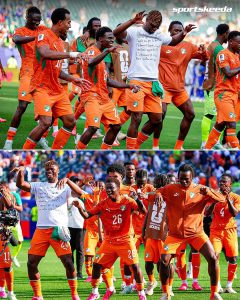
Collectively, these results signal a broader renaissance in African football. The expanded format of the 2026 World Cup, with more slots and a group stage that allows for calculated progression, has given teams from the continent greater opportunity to shine, but it is their preparation, investment in youth academies, and growing tactical sophistication that have turned potential into performance.
This strong start not only boosts morale for the remaining African sides still fighting for advancement — such as Senegal, Egypt, Algeria, and others — but also challenges outdated perceptions about the level of play from the continent. It highlights the increasing global influence of African talent, from club academies in Europe to the passionate support of diaspora communities filling stadiums worldwide.
As the tournament progresses into the knockout rounds, the eyes of the football world are now firmly on these trailblazers. A Round of 16 clash between two of them remains a tantalizing possibility, promising fireworks and further proof that Africa is no longer just participating — it is contending at the highest level. This wave of success is a moment of collective celebration, inspiring the next generation and reinforcing the continent’s rightful place among football’s elite.
The story of African football at the 2026 World Cup is only just beginning, and it is already one of resilience, excellence, and boundless potential.