
Ghanaian music powerhouse Stonebwoy has once again raised the flag of Ghana high on the international stage, making history with a spectacular edition of the BHIM Festival at London’s iconic OVO Arena Wembley on Saturday, August 15.
The sold-out show, which attracted thousands of music lovers, marked the first international expansion of the annual BHIM Festival and saw the 12,500-capacity arena transformed into a vibrant celebration of Ghanaian culture, music and heritage.
More than just a concert, BHIM Festival London became a major cultural showcase, placing Ghana’s Afro-Dancehall sound at the centre of a global audience.
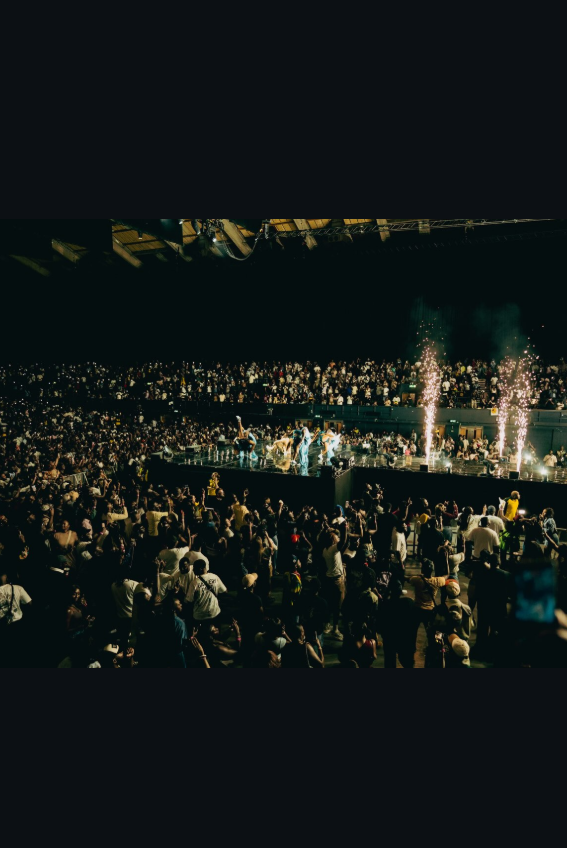
Stonebwoy, widely regarded as one of the pioneers of Afro-Dancehall, used the historic platform to demonstrate the genre’s international appeal while celebrating the rich musical identity of Ghana.
The production itself was deeply rooted in Ghanaian history. The stage design drew inspiration from Accra’s iconic Black Star Square, while giant screens paid tribute to legendary Ghanaian Highlife musicians whose contributions helped shape the country’s music industry.
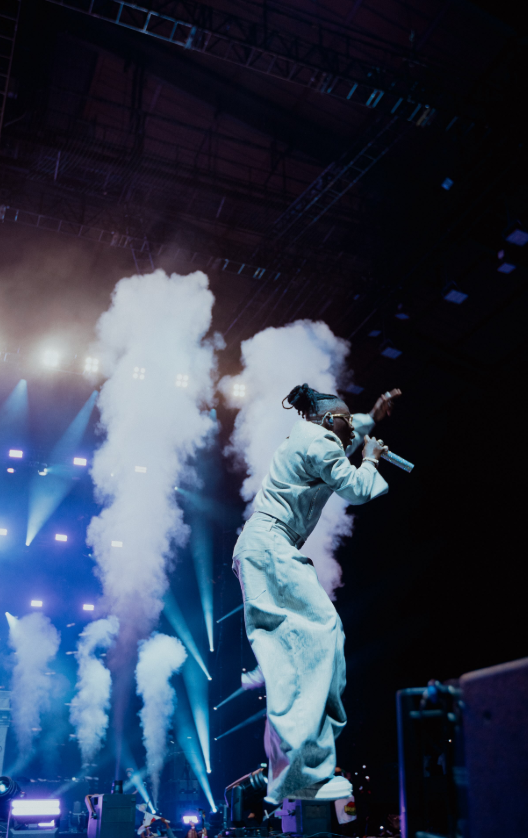
The star-studded lineup further elevated the night, with Ghanaian legends including Samini, Kwabena Kwabena and Ofori Amponsah joining the celebration. DopeNation also brought their energetic performance to the stage, alongside Nigerian stars Mr P and Tiwa Savage, Tanzanian singer Juma Jux and Jamaican Dancehall star Stylo G.
The diverse lineup created a powerful blend of African and Caribbean sounds, bringing different generations and musical cultures together under one roof.
Ahead of the concert, Stonebwoy emphasized the importance of preparation, noting that a successful performance is largely determined during rehearsals.
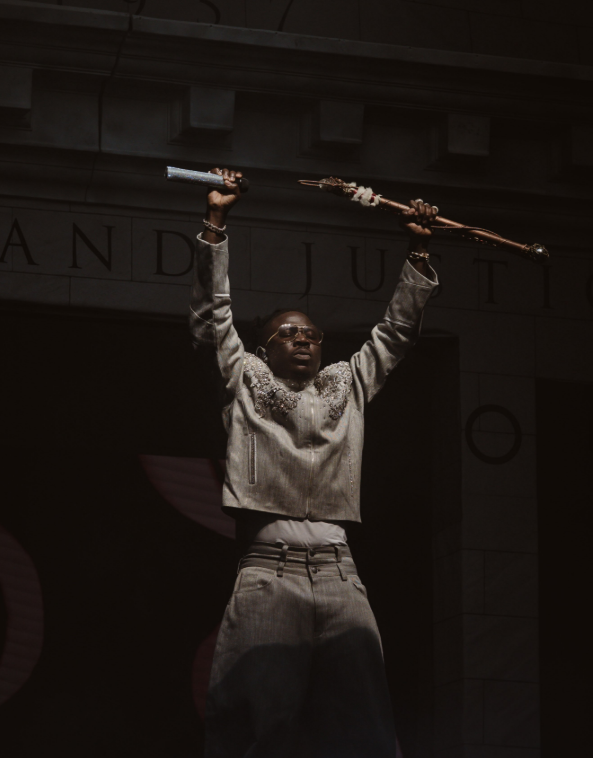
The explosive night at Wembley has further cemented Stonebwoy’s reputation as one of Africa’s leading musical ambassadors. Beyond the entertainment, BHIM Festival London demonstrated the growing power of Ghanaian music and culture on the global stage.
For Stonebwoy and the BHIM Nation, Wembley was not simply another concert—it was a statement that Ghanaian music can travel, connect and make history anywhere in the world.