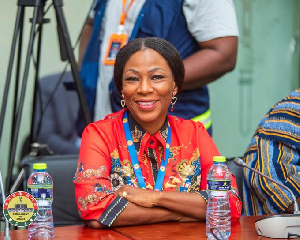
In the hallowed chambers of Ghana’s Parliament, where echoes of debate often clash like thunder over the Volta, Member of Parliament for Essikado-Ketan, Dr. Grace Ayensu Danquah, rose with the poise of a queen reclaiming her throne. The air buzzed with anticipation on this fateful afternoon, as the nation grappled with a fresh wave of national pride. At the center of it all: President Nana Akufo-Addo’s bold move during his recent state visit to Zambia, where he unveiled a resplendent Ghanaian smock—not from some foreign atelier, but handcrafted on home soil.
Dr. Danquah’s voice cut through the murmurs like a kente thread weaving gold into cloth. “Mr. Speaker,” she began, her eyes alight with fervor, “I hail our President for this masterstroke of economic diplomacy. By draping himself in our very own Fugu—or Batakari, as it’s cherished—he has thrust our cultural gem onto the world’s stage. What was once a humble garment from our northern heartlands is now a global hotcake, adorning fashion runways from Accra to Lusaka, and beyond!”
The chamber leaned in as she painted the smock’s storied origins with the strokes of a griot’s tale. This iconic attire, thick and resilient, traces its roots to the ancient Dagomba, Mamprusi, and the storied Kingdom of Gonja, emerging around the 15th century amid the dusty savannas of Northern Ghana. Picture the looms of old Tamale, Yendi, and Salaga humming under the relentless sun—strips of cotton, nurtured in the parched soils of those neighboring towns, twisted into fabric tough enough to defy the harmattan winds.
It wasn’t mere craftsmanship; it was born of necessity and genius. The Northern region’s harsh climate demanded warmth without weight, and the abundance of locally grown cotton provided the perfect canvas. Weavers, their hands calloused from generations of labor, layered the strips into the Fugu’s signature texture—bold stripes of black, white, and earthy reds symbolizing resilience, unity, and the unyielding spirit of the Sahel.
Dr. Danquah paused, letting the imagery sink in, then drove her point home. “This is no accident of history, Mr. Speaker. It’s our heritage weaponized for prosperity. Today, factories in Kumasi and Bolgatanga churn out smocks that blend tradition with modern flair—exported to Zambia, snapped up in Europe, and even gracing international dignitaries. The President’s Zambia moment has ignited a fire: orders pouring in, jobs blooming in our cotton fields, and Ghana’s name synonymous with authentic African elegance.”
As applause rippled through the house, opponents nodded grudgingly, and even the Speaker cracked a smile. Dr. Danquah had done more than speak; she had woven a narrative of pride, turning a simple garment into a symbol of Ghana’s rising economic might. In that moment, the Fugu wasn’t just cloth—it was a banner for a nation ready to clothe the world.