


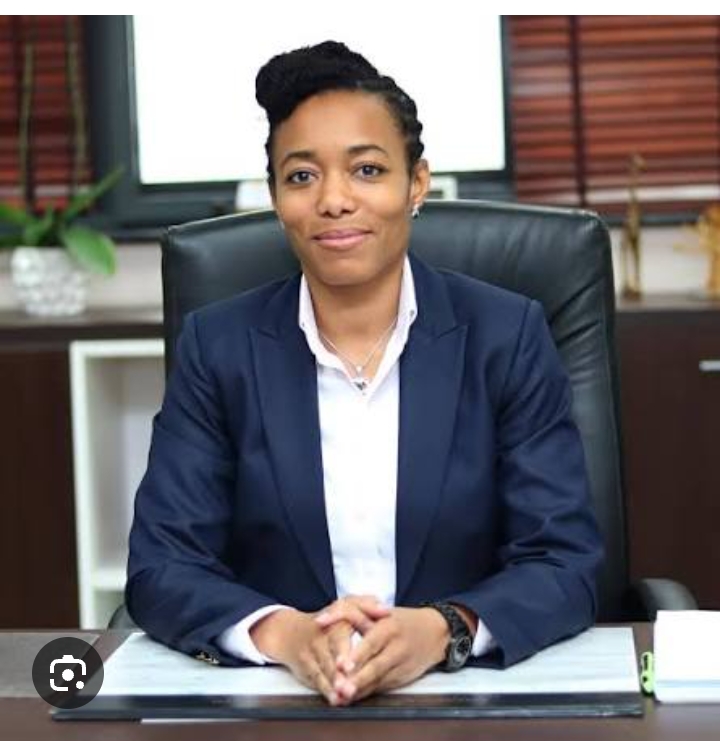
The Member of Parliament for Korle Klottey, Dr. Zanetor Agyeman–Rawlings, has called for the establishment of a National Sex Offenders Register to prevent convicted sexual offenders from gaining access to children and other vulnerable persons.
The call follows statistics she presented in Parliament showing that Ghana recorded 1,132 cases of defilement and 297 cases of rape nationwide in 2025. The figures, which amount to 1,429 reported cases, highlight the scale of sexual offences confronting the country and the need for stronger measures to protect vulnerable members of society.
Dr. Zanetor said the proposed register would contain the names and relevant details of individuals convicted of sexual offences against children, providing a mechanism for institutions to verify the backgrounds of prospective employees before recruiting them into positions that involve contact with children.
She identified schools, churches, hospitals, orphanages and other institutions responsible for the care and protection of children as facilities that should be able to conduct such background checks.
According to her, the register would help prevent individuals with convictions for sexual offences against children from moving between institutions and securing employment in environments where they could have access to potential victims.
The proposal also seeks to address concerns about the recruitment and movement of individuals with histories of sexual abuse, particularly in institutions where children are placed under the supervision and care of adults.
Dr. Zanetor further raised concerns about the handling of sexual abuse allegations within educational institutions, particularly situations where teachers accused of abusing pupils are transferred to other schools rather than having the allegations properly investigated.
She maintained that allegations of sexual abuse must be treated seriously, with appropriate investigations and accountability mechanisms to prevent potential perpetrators from continuing to have access to children.
The MP also cautioned against interference by family members, religious leaders and traditional authorities in sexual abuse cases, particularly attempts to persuade victims or their relatives to withdraw complaints or settle cases outside the formal justice system.
She stressed that sexual offences, especially those involving children, should not be treated as private family matters that can be resolved through informal settlements at the expense of justice.
Another concern highlighted by the MP was the likelihood of underreporting, as fear, stigma, intimidation and pressure from families and communities may discourage victims from reporting abuse or pursuing legal action.
Ghana’s response to sexual abuse currently involves institutions such as the Domestic Violence and Victim Support Unit (DOVVSU) of the Ghana Police Service, which investigates cases involving women and children and facilitates support for victims.
However, the proposed National Sex Offenders Register would introduce an additional preventive measure by allowing authorised institutions to identify individuals with relevant convictions before employing them in positions that give them access to children.
Its implementation would require an appropriate legal framework to establish how offenders are registered, how institutions access the information and what safeguards would protect personal data and prevent misuse.
Dr. Zanetor’s proposal adds to ongoing discussions about strengthening Ghana’s child protection systems, improving institutional accountability and ensuring that victims of sexual abuse receive justice and appropriate support.
The call also raises broader questions about how schools, religious organisations, childcare facilities and other institutions can strengthen their recruitment procedures and safeguarding policies to prevent sexual abuse.
Story by Ama Frimpomaa


