


The Parliament of Ghana is set to consider a landmark Dual Citizenship Bill that could significantly reshape the country’s political and governance landscape.
The proposed legislation seeks to allow Ghanaians with dual citizenship to occupy some of the highest public offices in the country, including the presidency, the Chief Justice position, membership of Parliament, and leadership roles within the nation’s security agencies.
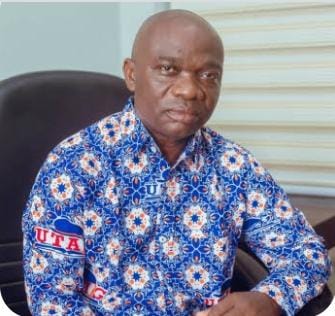
Reacting to the development, political analyst Dr. Bernard Tutu-Boahen has thrown his support behind the bill, arguing that Ghana stands to gain immensely from tapping into its diaspora talent pool.
He noted that many highly skilled and accomplished Ghanaians are currently contributing to the economies of countries such as the United States and the United Kingdom, rather than to their homeland. According to him, some Ghanaians have risen to top financial and technological positions abroad — including experts in advanced fields such as fibre optics — yet are unable to fully participate in Ghana’s governance because of constitutional restrictions.
Dr. Tutu-Boahen stressed that creating space for dual citizens in key national roles would help reverse the country’s “brain drain” and inject valuable international expertise into Ghana’s development agenda.
Beyond governance, he argued that the reform could positively impact national growth and deepen democratic participation, particularly during elections.
He referenced the legal controversy surrounding James Gyakye Quayson, whose dual citizenship status led to a prolonged court battle and eventual removal from Parliament — a case that reignited national debate over eligibility laws.
According to Dr. Tutu-Boahen, removing these constitutional barriers would not only prevent similar disputes in the future but also strengthen Ghana’s political system by broadening inclusion.
If passed, the Dual Citizenship Bill could mark one of the most significant constitutional reforms in recent years, potentially redefining who qualifies to lead the country.
Supporters argue that Ghana cannot afford to sideline its global talent network, while critics are expected to raise concerns about loyalty, national security, and constitutional integrity as parliamentary deliberations begin.
Story: Nyamebeye Kofi Ansah Sasraku


