


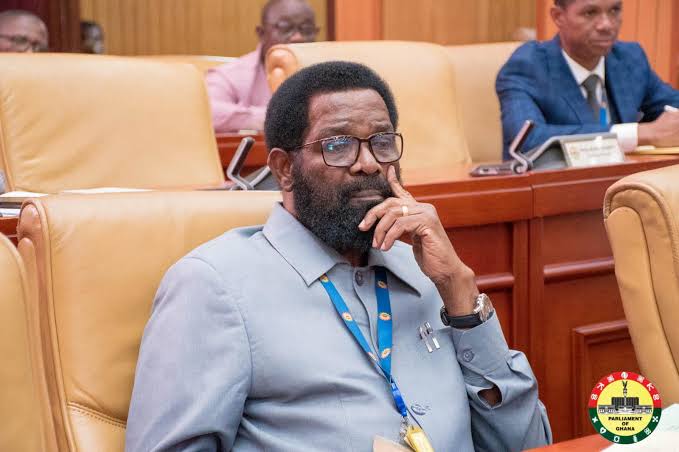
The Member of Parliament for Ablekuma South, Alfred Okoe Vanderpuije, has welcomed the Constitutional Review Commission’s (CRC) proposal for the election of Metropolitan, Municipal and District Chief Executives (MMDCEs), but says the process should exclude the President and the Executive from determining who becomes a local government leader.
Mr Vanderpuije said he would have preferred a system of direct elections in which residents choose their MMDCEs in the same way they elect Members of Parliament and the President.
He argued that giving citizens the power to directly elect their local leaders would strengthen democratic participation and make MMDCEs more accountable to the people in their respective metropolitan, municipal and district assemblies.
According to him, the Executive branch should have no role in deciding who gets elected, stressing that local communities should be allowed to make their own choices.
Mr Vanderpuije, however, acknowledged that the proposed reforms would represent an improvement over the existing system, under which MMDCEs are appointed by the President.
He said although the proposal may not go as far as he would have preferred, it offers a better arrangement than the current system where the government has significant influence over who leads local assemblies.
Meanwhile, the Attorney General and Minister for Justice, Dr Dominic Ayine, has announced that government has accepted a proposal for all District Chief Executives (DCEs) to be elected.
Dr Ayine made the announcement on Thursday, July 30, 2026, when he presented government’s White Paper on the recommendations of the Constitutional Review Committee, which includes reforms aimed at strengthening democratic governance, decentralisation and citizen participation in local government.
He said government had gone beyond the Committee’s proposed phased approach, which would have tied the right to elect DCEs to the fiscal capacity of individual districts.
According to Dr Ayine, government believes all DCEs should be elected because creating a distinction between districts where residents can vote and those where they cannot could be politically costly and may be perceived as discriminatory.
The proposed reforms are expected to reshape the country’s local government system by increasing citizen participation in the selection of local government leaders and deepening Ghana’s decentralisation process.
Story by Freedom Etsey Lavoe


