


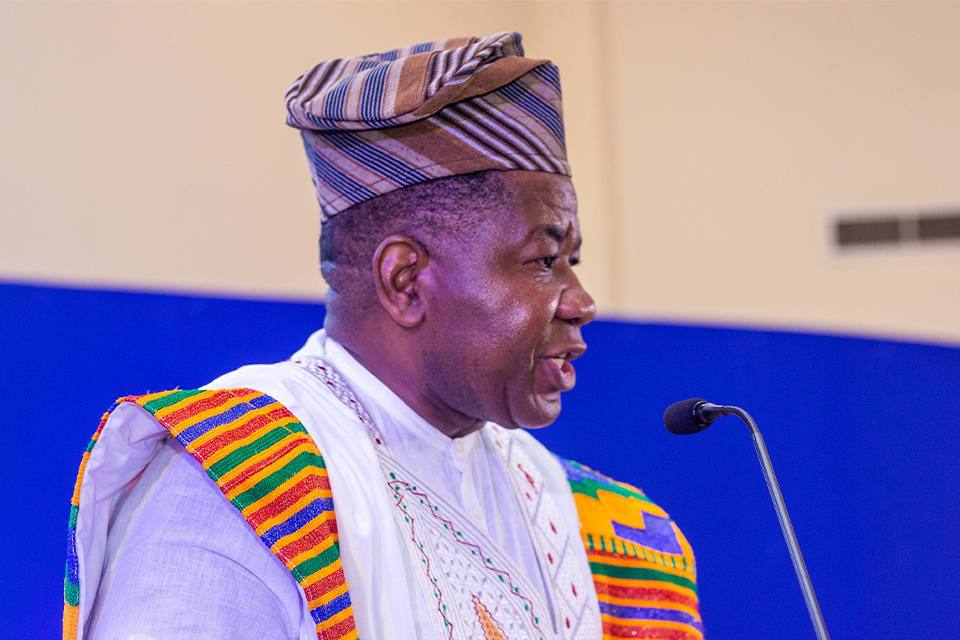
The 3rd Biennial Conference of the Musicians Union of Ghana (MUSIGA) turned into a landmark moment for the creative arts industry as UNESCO’s Representative, Edmond Moukala, delivered a powerful keynote address that set the entire room buzzing with excitement and optimism.
Held at the Bethel Heights Hotel in Madina, the conference gathered Ghana’s music legends, young artists, industry leaders, cultural advocates, and media personalities—all united under the theme “Driving Innovation and Sustainable Growth in the Music Industry.”
From the moment Moukala took the podium, it was clear this was not going to be an ordinary speech. He spoke straight to the heart of Ghana’s creative sector, reminding everyone that music is more than entertainment—it’s a major force for national development.
According to him, music creates jobs, drives innovation, supports education, and even strengthens peace. He highlighted how creative industries worldwide generate millions of jobs, and Ghana’s music scene continues to play a major role in tourism, youth employment, and cultural identity.
But the highlight of his message was Ghana’s ongoing push to have Highlife music recognized globally.
Moukala praised the national efforts to secure UNESCO’s Intangible Cultural Heritage status for Highlife—an inscription that would honor Ghana’s musical roots and protect the genre for future generations. He also supported the move to acquire Geographical Indication (GI) status, which would legally confirm Highlife as a music style born and rooted in Ghana, giving it global legitimacy much like Champagne or Cuban cigars.
If achieved, these two milestones would secure Highlife’s place in history and ensure that Ghanaian musicians gain the full benefits of their cultural heritage.
However, he didn’t stop at celebrating tradition. Moukala also addressed the future—the digital era and the rise of Artificial Intelligence (AI). He noted that AI can help young artists produce music with fewer barriers, but it also raises important questions about creativity and ownership. He emphasized UNESCO’s stance that AI must remain ethical, human-centered, and culturally inclusive, ensuring technology becomes a partner, not a threat.
He acknowledged the challenges the industry still faces—from weak revenue systems to limited performance infrastructure and gaps in professional training—but urged Ghana to focus on building strong value chains that benefit every musician, especially women, youth, and persons with disabilities.
Moukala also encouraged Ghana to tap into global opportunities like the UNESCO Creative Cities Network, which could help cities like Accra, Kumasi, and Takoradi merge culture with urban development.
In a heartfelt closing, he reminded the audience that culture is not a cost—it is capital, one that powers economic growth, social unity, and national identity.
The room erupted in applause as he declared UNESCO’s unwavering support for Ghana and MUSIGA in promoting creativity, protecting Highlife’s legacy, and helping musicians thrive in a rapidly changing world.


