


United States President Donald Trump is set to host the leaders of Rwanda and the Democratic Republic of the Congo (DRC), Presidents Paul Kagame and Felix Tshisekedi, at the White House on Thursday for the signing of a historic peace and economic agreement he brokered. This follows months of intensive negotiations, starting with a preliminary peace deal and economic pact signed by the two nations’ foreign ministers at a White House event in June. That earlier accord aimed to end years of violent conflict, particularly involving the M23 rebel group in eastern DRC. The recent framework signed in Qatar in November advanced the peace process further but left several implementation details unresolved.
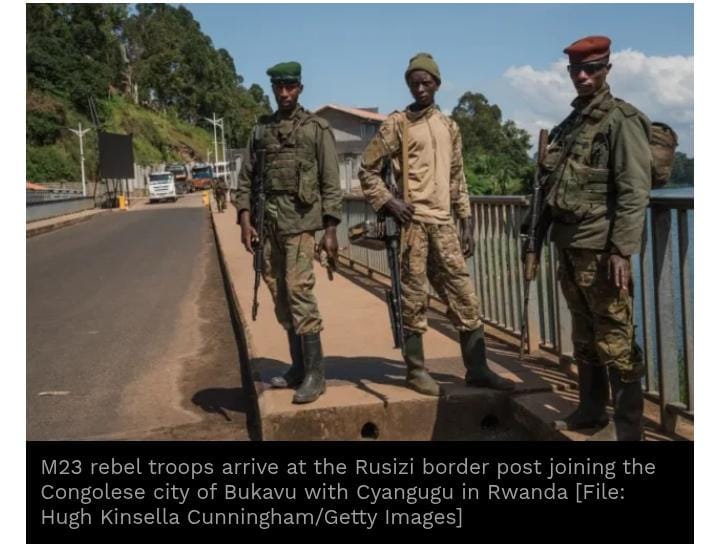
The root of the conflict traces back to the aftermath of the 1994 Rwandan genocide, with the M23 rebels mainly composed of ethnic Tutsi fighters engaged in fighting the DRC government in North Kivu province for over a decade. The rebels’ resurgence in 2021, allegedly with Rwanda’s support—which Rwanda denies—has intensified violence, resulting in thousands of deaths, many of them civilians, and significant regional instability. Despite ceasefire talks, fighting has persisted sporadically, complicating the peace process.
Key issues remaining include finalizing eight implementation protocols, such as timelines for ceasefire enforcement, humanitarian aid delivery, repatriation of displaced populations, reintegration of armed groups, and the restoration of state authority throughout conflict zones. The DRC government insists on protecting its territorial integrity as part of the agreement’s conditions. Human rights organizations have reported continued civilian casualties linked to M23 fighters and apparently Rwanda Defense Force members even after initial accords were signed.
President Trump has frequently claimed credit for helping to resolve the long-standing conflict since taking office in January 2025. The peace process, involving US mediation along with Qatar, highlighted cooperation over ceasefire monitoring and prisoner exchanges. However, some challenges remain, including full withdrawal of foreign troops and alignment on economic reform initiatives. The upcoming White House signing event symbolizes a significant diplomatic milestone and renewed hope for peace between these neighboring African nations.
This event underscores international efforts to stabilize a volatile region rich in minerals but plagued by conflict, humanitarian crises, and complex ethnic tensions. The peace deal aims not only to halt hostilities but also to foster economic cooperation and regional integration, signaling a potential turning point for the Democratic Republic of the Congo and Rwanda after decades of turmoil.
Source: Ohemaa Adusi-Poku


