


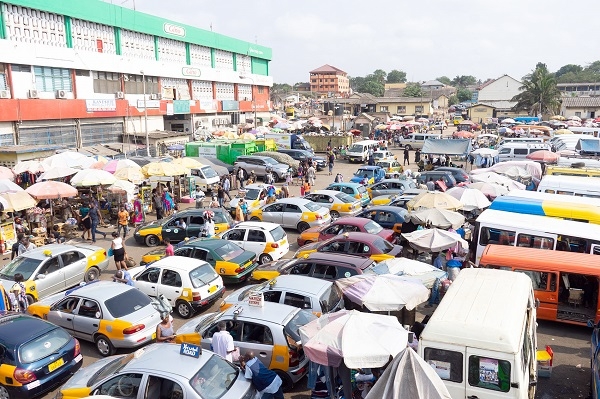
The Public Relations Officer for the True Union Drivers Association, Yaw Barimah has sounded a serious alarm on corruption and harassment within the transport sector, spotlighting the troubling role of “scheduling boys,” commonly referred to as junkies, at bus stations across the country. Barimah explained that many drivers who are unaffiliated with any union find themselves at the mercy of these junkies, forced to pay exorbitant fees just to secure operating slots. This unchecked practice, he warned, fosters a climate of exploitation and lawlessness that threatens the integrity of the entire transport system.
Barimah further revealed a disturbing connection between these junkies and law enforcement officers tasked with road safety oversight. He asserted that these scheduling agents often collude with the police to create a system that unfairly targets unionized drivers. While union drivers face constant scrutiny, harassment, and fines for minor infractions, the junkies who facilitate illegal scheduling activities operate with impunity. According to Barimah, police officers frequently witness the reckless and unlawful behavior of the junkies but fail to intervene, which perpetuates a culture of injustice and selective law enforcement.
Highlighting a critical gap in regulatory enforcement, Barimah referenced Road Traffic Regulations LI 2180, Regulation 117, which clearly prohibits selling goods or conducting business on roads, pavements, railway crossings, and toll booths. Under this law, offenders can be arrested, fined, or imprisoned for up to three months. Yet, Barimah lamented that this regulation is widely ignored, allowing illegal trading and unauthorised activities to thrive openly. This failure not only compromises road safety but also undermines the efforts of law-abiding drivers who seek to operate within the boundaries of the law.
The True Union PRO called on the government, particularly President John Mahama, to take decisive action by integrating the transport sector within the “Resetting Ghana Agenda.” He emphasized that addressing corruption and harassment at bus terminals and enforcing existing regulations are crucial steps to restore order and fairness. Barimah believes that reform in the sector will create a more secure and effective transport system, benefiting drivers, passengers, and the wider economy alike.
The concerns raised by Barimah expose a deep-rooted problem that hampers professionalism and justice on Ghana’s roads. Until efforts are made to dismantle the corrupt networks involving junkies and their police collaborators, and enforce the traffic laws consistently, drivers in unions will continue to bear an unfair burden while the transport sector remains vulnerable to exploitation. This call to action invites all stakeholders to prioritize transparency, rule of law, and equitable treatment as part of Ghana’s broader development goals.
Source: Ohemaa Adusi-Poku


