


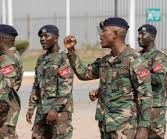
The deployment of Ghanaian troops to Jamaica and Benin has ignited a fierce transparency debate in Parliament, with the Minority Caucus accusing the government of sidelining legislative oversight. Rev. Ntim Fordjour, the Assin South MP and Ranking Member on the Defence and Interior Committee, led the charge, revealing that neither the Ministers of Foreign Affairs nor Interior briefed or consulted Parliament before the move. This action, he argued, blatantly violates established procedures that demand parliamentary involvement in such security deployments. The controversy underscores growing tensions between the executive and legislative branches over national security decisions.
Major (Rtd.) Derrick Yaw Oduro, Treasury General for the World Veteran Federation, has thrown his weight behind the Minority’s demands, calling on President John Mahama to honor the request for full disclosure. Oduro stressed that even urgent international agreements must be communicated to Parliament for scrutiny, ensuring adherence to the rule of law and constitutional norms. His intervention highlights broader concerns among veterans and security experts about eroding checks and balances in Ghana’s democracy. Supporters of this view warn that unchecked deployments could set dangerous precedents, potentially exposing the nation to legal and diplomatic risks.
Government officials have yet to respond publicly to these allegations, leaving the public in suspense amid rising speculation about the troops’ mission. Sources suggest the deployments address regional security challenges, possibly linked to transnational crime or peacekeeping efforts in the Caribbean and West Africa. However, without official clarification, critics like Fordjour fear this opacity could undermine public trust and parliamentary authority. The episode revives memories of past controversies, such as unconsulted military engagements, fueling calls for stricter enforcement of Article 71 of the Constitution, which mandates oversight on international commitments.
As the debate rages, civil society groups and media outlets are amplifying demands for accountability, urging swift parliamentary hearings. This row could force a review of deployment protocols, balancing national security needs with democratic transparency. For Ghanaians, the stakes are high: reinforcing legislative roles might prevent future oversights, while prolonged silence risks deepening political divides ahead of key national agendas.
Source: Ohemaa Adusi-Poku


