


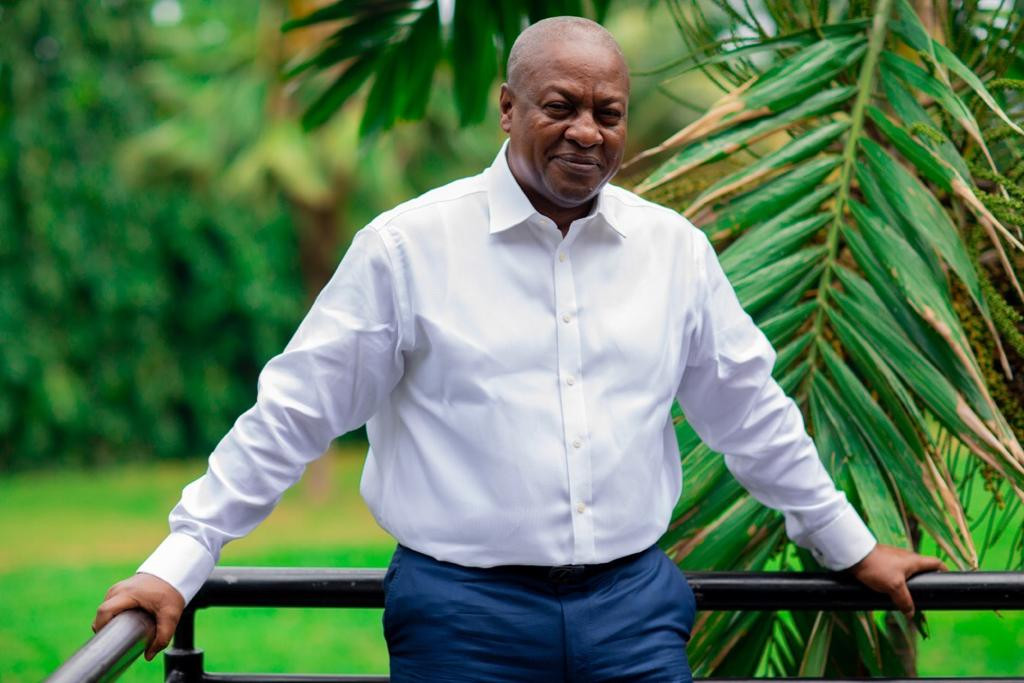
The return of John Dramani Mahama to the forefront of Ghana’s political landscape represents more than a political comeback. It is a defining moment for the National Democratic Congress (NDC), one that places the party’s leadership, internal unity, and stewardship under intense public scrutiny.
For many supporters of the NDC, Mahama’s re-emergence symbolizes experience, continuity, and resilience. Having previously served as President of Ghana, he remains one of the most recognizable political figures in the country. His political journey, marked by both achievements and criticism, offers the NDC an opportunity to reconnect with voters while redefining its future direction.
However, the significance of Mahama’s return extends beyond electoral politics. It raises important questions about leadership renewal within the NDC. Political parties thrive not only on charismatic personalities but also on strong institutions, disciplined organization, and the ability to groom future leaders. The challenge before the NDC is whether it can balance loyalty to established leadership with the need to cultivate a new generation of political actors capable of sustaining the party’s long-term vision.
Leadership is ultimately tested not during times of comfort, but during periods of transition and expectation. The NDC hierarchy must therefore demonstrate unity, accountability, and strategic thinking. Internal divisions, factionalism, or complacency could weaken the momentum generated by Mahama’s return. On the other hand, disciplined stewardship and collective purpose could strengthen the party’s credibility among undecided voters and the broader Ghanaian public.
Furthermore, stewardship in governance remains a central concern for citizens. Ghanaians continue to demand practical solutions to economic hardship, unemployment, infrastructure deficits, and social inequality. As such, the NDC leadership must move beyond rhetoric and articulate policies that inspire confidence and address the everyday realities facing ordinary people.
Mahama’s second coming should therefore not be viewed merely as a political event, but as a broader test of institutional maturity within the NDC. It is a moment that requires reflection, responsibility, and vision. The ability of the party’s leaders to manage expectations, strengthen internal democracy, and present a coherent national agenda will ultimately determine whether this political chapter becomes a story of renewal or a missed opportunity.
In the end, Ghana’s democracy benefits most when political parties evolve beyond personalities and embrace principled leadership, accountability, and service to the people. The NDC now stands at such a crossroads, and history will judge how it responds to this moment.


