


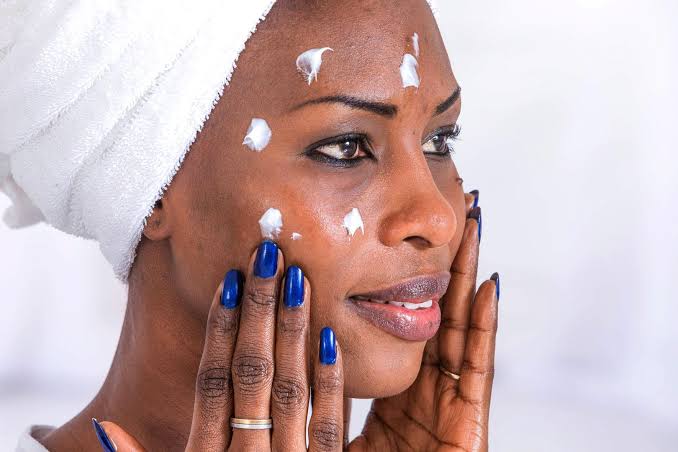
The belief that lighter skin is more beautiful continues to influence perceptions of beauty, particularly in communities where skin tone can affect perceptions of attractiveness and social acceptance.
For some people, darker skin is wrongly associated with being less attractive, while others believe that becoming one or two shades lighter can improve their appearance and even increase their social or perceived “market value.”
Some users go beyond creams and soaps in their attempts to change their complexion. There are reports of people using injections and medicines intended to lighten the skin, including glutathione-based treatments commonly marketed by some clinics as “Glutathione IV Drips” or “Glow Infusions.”
These treatments are sometimes promoted for their potential to reduce melanin production. However, claims surrounding their safety and effectiveness for cosmetic skin lightening require careful medical scrutiny.
There are also reports of pregnant women using skin-lightening substances, including products containing hydroquinone and topical corticosteroids, because of the belief that these substances could influence the complexion of their unborn babies.
There is, however, no scientific basis for presenting skin-lightening products as a safe or reliable method of determining a baby’s skin colour. Exposing a pregnant woman to potentially harmful chemicals without medical supervision may also create health risks for both the mother and developing baby.
The pressure to conform to lighter-skin beauty standards can begin even before birth, with some people expressing the belief that a dark-skinned baby is less attractive than a lighter-skinned baby. Such attitudes can reinforce colour-based beauty standards within families and communities and create pressure on individuals to alter their natural complexion.
The World Health Organization (WHO) has identified social norms, beauty ideals and advertising among factors that can contribute to demand for skin-lightening products.
For some users, skin bleaching is regarded as a beauty routine rather than a health concern. However, the practice can carry significant health risks, particularly when products contain hazardous substances such as mercury.
According to the WHO, mercury-containing skin-lightening products can cause kidney and nervous-system damage, as well as skin problems. Mercury exposure can also pose particular risks to developing unborn children.
The health concerns are heightened when consumers do not know what substances are contained in the products they are using. The WHO considers mercury-containing skin-lightening products hazardous to health and has noted that such products continue to be found in some markets despite restrictions.
Other potentially hazardous substances, including hydroquinone and certain corticosteroids, have also been associated with skin-lightening products and their misuse.
In some communities, people also share dangerous home methods for bleaching the skin. One reported practice involves applying Parazone, a household bleach, directly to the skin and sitting in a hot room for about 30 minutes before bathing.
Such a practice should never be presented as a safe or medically approved method of lightening the skin. Household bleach is not a dermatological treatment, and applying it directly to the skin can result in severe irritation, chemical burns and other injuries.
The claim that skin bleaching automatically causes skin cancer, however, should also be treated carefully. While there are documented health concerns associated with certain skin-lightening products—particularly those containing mercury—the WHO material considered in this report does not establish that every instance of skin bleaching causes skin cancer.
Beyond the physical health effects, skin-lightening practices raise broader questions about how society defines beauty.
When people begin to believe that their natural complexion is less beautiful simply because it is dark, the decision to lighten the skin may be influenced not only by personal preference but also by social expectations and deeply rooted beauty standards.
The WHO’s work on skin-lightening practices examines behavioural and social factors that contribute to demand for these products, highlighting that the issue extends beyond individual choices.
As skin-lightening products remain available to consumers, health education and accurate information are increasingly important. The WHO is supporting efforts to eliminate mercury-containing skin-lightening products and reduce exposure to harmful substances, while also encouraging countries to address the social and behavioural factors that drive their use.
The conversation, therefore, goes beyond whether lighter skin is considered beautiful. It also concerns the substances people are willing to put on or into their bodies in pursuit of a particular beauty standard—and the potential health consequences that may follow.
Ahotor Online
Sorkpa Jennifer


