


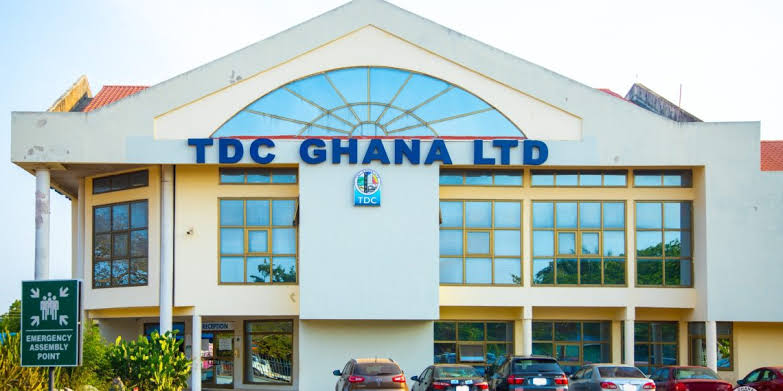
A dispute has emerged between the Tema Development Company (TDC) and the Tema Metropolitan Assembly (TMA) following the demolition of portions of a development project and construction hoardings by the Assembly on Wednesday, August 12, 2026. The two state institutions have offered contrasting accounts, with TDC maintaining that the project was being undertaken under a longstanding institutional arrangement, while the TMA insists that physical development within the metropolis must comply with statutory planning and permitting requirements.
Managing Director of TDC, Courage Makafui Nunekpeku, described the demolition as “extremely unfortunate” and said it was inconsistent with government’s commitment to infrastructure development, job creation and improved living conditions. He explained that TDC has maintained a longstanding relationship with assemblies within its operational area, including the TMA, under which the company had historically undertaken developments without obtaining building permits from the assemblies.
Mr. Nunekpeku said the arrangement dates back several decades and has applied to a number of TDC developments within the Tema Acquisition Area, including the Community 26 affordable housing project, TDC Towers at Community 2 and shops at Community 18.
He said the latest project had also gone through the required government procurement and approval processes, including engagements with the Ministry of Finance, the Public Procurement Authority and the Ministry of Works and Housing.
According to Mr. Nunekpeku, TDC received a letter from the Assembly on August 7, giving the company seven days to respond or comply with the directive. He said the company responded on August 10, explaining the longstanding relationship between the two institutions.
However, he said the TMA proceeded to the site on August 12 and demolished portions of the contractor’s work and the construction hoardings.
Dispute Over Planning and Permit Requirements
The core disagreement now centres on whether TDC’s longstanding institutional practice can exempt the company from current planning and permitting requirements applicable to developments within the Tema metropolis.
While TDC maintains that its historical arrangement with the assemblies should be recognised, the Assembly’s position is that developments must comply with the relevant statutory requirements governing physical development and construction.
Mr. Nunekpeku has urged the two state institutions to resolve their differences through dialogue, stressing the need to avoid disputes that could delay projects intended to create jobs and provide infrastructure for residents.
He also cautioned that prolonged disagreements between state institutions could undermine efforts to deliver development projects and improve living conditions in the Tema area.
Story by Freedom Etsey Lavoe


