


It is time for the government and anti-corruption institutions to work in harmony with a clear roadmap to effectively tackle corruption, which continues to receive insufficient attention despite its impact on the country.
There is a need for stricter measures from the Attorney General’s Department and other specialised agencies to ensure transparency and keep citizens informed about government efforts to combat corruption. This, he believes, will promote accountability to the Ghanaian people.
Such measures will also strengthen the stewardship of the Attorney General and anti-corruption agencies, making them more accountable in their fight against corruption.
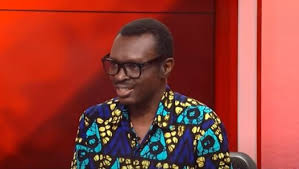
Anti-corruption campaigner Edem Senanu made these remarks on the Adekyee Mu Nsem morning show on Ahotor 92.3FM, hosted by Citizen Kofi Owusu in Accra.
He expressed concern over what he described as systemic failures in public financial management, following the summoning of a former Health Minister over a controversial GH¢20 million payment for an uncompleted hospital project.
His comments come after Parliament’s Public Accounts Committee invited former Health Minister Bernard Okoe-Boye to appear before it regarding the disbursement of mobilisation funds for the proposed Parliamentary Service Hospital, a project that is yet to commence.
The summons, issued by Ranking Member Samuel Atta Mills on Wednesday, also extends to the former Administrator of the District Assemblies Common Fund and the accountant involved in the transaction, as the Committee seeks to ensure accountability.
Findings indicate that the GH¢20 million payment was made on December 31, 2024, during the administration of former President Nana Akufo-Addo.
The report further reveals that Dr. Okoe-Boye signed the contract for the hospital project during his tenure as Minister for Health.
Mr. Senanu criticised the apparent disregard for established financial procedures, arguing that existing laws and policies governing public spending are often ignored.
“It appears that we have a systemic failure where the various policies and laws that are supposed to guide what we do are often ignored,” he said.


