


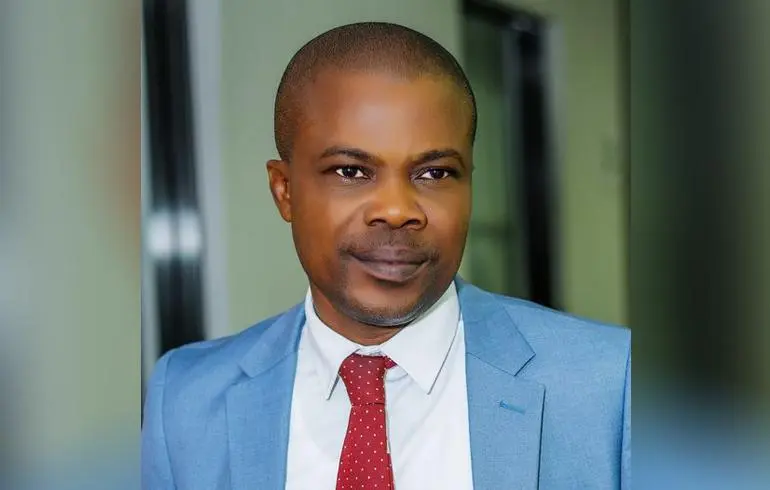
Security consultant Mr Richard Kumadoe has described the recent appointments, reassignments and changes within Ghana’s security architecture as a strategic move aimed at strengthening the country’s security governance.
Speaking with Citizen Kofi Owusu on Ahotor FM’s Adekyee Mu Nsem in Accra, Mr Kumadoe said the decision to bring experienced personalities into key security positions should give Ghanaians confidence that the country’s security institutions are being placed in capable hands.
According to him, the individuals appointed have extensive backgrounds in intelligence, policing and military affairs, making them well positioned to take on the responsibilities assigned to them.
He singled out the experience of Yaw Agyemang, whom he described as a major personality in Ghana’s intelligence community and one of the country’s longest-serving directors of the former Bureau of National Investigations (BNI).
Mr Kumadoe noted that Yaw Agyemang served in the intelligence structure from the era of former President Jerry John Rawlings through to the administration of former President John Dramani Mahama, and later served as a National Security Coordinator.
He argued that such institutional experience is important because national security requires people who understand intelligence gathering, coordination and the internal workings of the security architecture.
Mr Kumadoe also highlighted the backgrounds of other senior security and defence personalities, saying their previous positions and years of service have given them considerable knowledge of Ghana’s security environment.
He further praised the appointment of experienced police personnel, including individuals with years of policing and investigative experience. He described the appointment of persons with such backgrounds as among the stronger decisions taken by President Mahama in restructuring the security sector.
Right People at the Right Time
The security consultant said the most important issue is not merely the appointments themselves but the calibre of people being placed in strategic positions.
He explained that the appointees have been tested through years of professional service and possess the technical ability and prudence required to perform effectively.
«“Everybody will come to the job with their A-game. We have the best men in the right position at the right time,” he said.»
Mr Kumadoe believes the experience of the individuals involved could help improve coordination within Ghana’s security institutions and strengthen the country’s ability to respond to both internal and external security threats.
Role of Defence Ministry and Security Institutions
On the relationship between the Defence Ministry and the wider national security architecture, Mr Kumadoe explained that the military and civilian structures have different but complementary responsibilities.
He said the military is not a civilian institution and therefore its operational responsibilities are carried out through established professional structures.
According to him, the various military services—including the Army, Navy and Air Force—have their respective commanders, with their activities ultimately feeding into the office of the Chief of the Defence Staff.
He explained that civilian authorities, on the other hand, mainly provide political representation, policy direction and oversight.
Mr Kumadoe said the National Security Council has an important responsibility in ensuring that Ghana’s national sovereignty and security interests are protected.
He stressed that national security is a serious responsibility that requires professionalism, experience and a clear understanding of security governance.
President Has Final Say on Appointments
Mr Kumadoe also addressed discussions surrounding possible further movements and reshuffling within the security sector.
He said there may be speculation about who could be moved, added to particular institutions or reassigned to areas such as defence or local government, but the final decision rests with the President.
According to him, various people may make recommendations or express opinions on who should occupy particular positions, but the President has the constitutional prerogative to make such appointments and reassignments.
He therefore urged the public not to draw premature conclusions from movements within the security architecture, explaining that such changes can form part of a broader administrative and strategic reorganisation.
Confidence in Ghana’s Security Direction
Mr Kumadoe maintained that the recent changes should not necessarily be interpreted as an indication that Ghana’s security system is failing.
Rather, he believes the restructuring provides an opportunity to bring experienced personnel together and improve the effectiveness of the country’s security institutions.
He expressed confidence that the newly appointed officials would work diligently and fulfil the responsibilities assigned to them.
He also welcomed the administrative arrangements under which the officials would operate, describing them as a positive development.
Mr Kumadoe concluded by saying that Ghana remains on the right path and expressed hope that, with experienced professionals occupying the appropriate positions and putting national interest first, the country can continue to strengthen its security architecture.
Story by Stephen Kwaku Owusu Mintah/Ahotoronline/Accra.


