


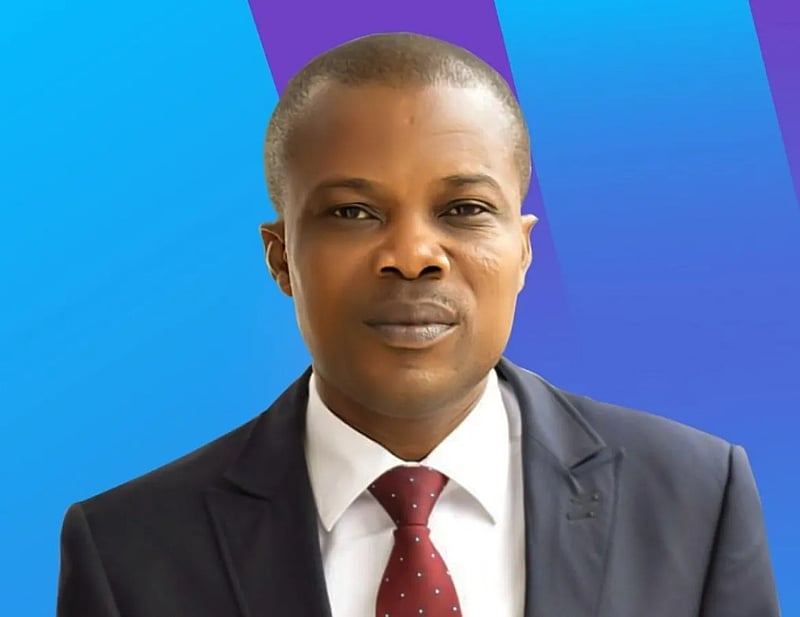
Security and fraud consultant Richard Kumadoe has cautioned political actors against describing Ghana as a “Cocaine Coast”, warning that such comments could damage the country’s international reputation and raise concerns about its security, political stability and governance.
Speaking in a telephone interview on Ahotor 92.3 FM’s Adekyee Mu Nsem Morning Show with Citizen Kofi Owusu, Mr Kumadoe said international institutions and regional security bodies assess countries based on broader indicators, including public safety, freedom of speech, political stability, social cohesion, governance risks and the effectiveness of law enforcement agencies.
He warned that portraying Ghana as a major cocaine transit point could negatively influence how international partners assess the country’s security environment. According to him, such assessments also consider a country’s ability to manage security threats, maintain internal stability and collaborate effectively with international security agencies.
He warned that portraying Ghana as a major cocaine transit point could negatively influence how international partners assess the country’s security environment. According to him, such assessments also consider a country’s ability to manage security threats, maintain internal stability and collaborate effectively with international security agencies.
Mr Kumadoe also questioned suggestions that countries commending President John Dramani Mahama’s performance were doing so because their economies benefited from drug-related activities. He rejected attempts to link Ghana’s development programmes and economic progress to proceeds from the drug trade without credible evidence.
He urged political parties and their communicators to exercise restraint when discussing national security issues, stressing that protecting the country’s image and national interest should take precedence over partisan political considerations.
Kumadoe commends security agencies for tackling crime.
The security consultant also expressed confidence in the work of Ghana’s security institutions, saying several agencies had demonstrated commitment and improved performance in the discharge of their duties.
He specifically commended Inspector-General of Police (IGP) Christian Tetteh Yohuno and the Police Management Board for what he described as significant efforts in tackling criminal activities since assuming leadership of the Ghana Police Service.
Mr Kumadoe also praised the Cyber Security Authority for its efforts in combating cybercrime at the national, regional and international levels.
Touching on the military, he cited the speed with which personnel cleared the Accra-Kumasi Expressway as an indication of the operational capacity of the Ghana Armed Forces.
He further acknowledged the contributions of the Customs Division, the Narcotics Control Commission (NACOC), the Ghana Immigration Service and the Economic and Organised Crime Office (EOCO).
According to him, EOCO continues to play an important role in addressing money laundering, financial crimes, asset recovery and the seizure of properties suspected to be linked to criminal activities.
Although he acknowledged the need for stronger collaboration and adequate resources, Mr Kumadoe maintained that the country’s security institutions should be encouraged and supported to deliver on their mandates.
Kumadoe challenges media to investigate cocaine trafficking allegations
Mr Kumadoe has challenged journalists to move beyond political exchanges and undertake thorough investigations into allegations of cocaine trafficking and possible security compromises at Ghana’s entry points.
He questioned allegations attributed to Michael Quaye Jnr that airport security personnel had been bribed to facilitate the movement of cocaine through the country, insisting that such claims must be supported by evidence and subjected to proper scrutiny.
Referring to previous cocaine-related incidents, including the seizure of a private jet, an incident involving cocaine allegedly turning into powder and the reported disappearance of 76 parcels of cocaine, he challenged those making bribery allegations to establish who was allegedly paid and provide evidence to substantiate their claims.
He further urged journalists to examine Ghana’s cocaine-related records from 2024 and compare them with developments in 2025 and subsequent periods to establish the nature and extent of the challenges confronting the country.
Mr Kumadoe also raised concerns about possible attempts by individuals to distract or undermine the operations of security agencies, urging the media to investigate such claims rather than simply amplify allegations.
He said investigative journalism should establish the identities, backgrounds and activities of people making serious allegations, as well as examine their possible motives.
Security consultant questions media’s focus on political controversies
The security consultant also criticised what he described as the media’s increasing focus on political personalities and controversies at the expense of public education and substantive national discussions.
He argued that morning radio and television programmes should provide platforms for experts to educate the public, examine security challenges and offer practical solutions to national problems.
Mr Kumadoe said the media must return to its responsibility of informing and educating the public, particularly young people, rather than constantly reacting to statements and controversies involving politicians.
He further urged journalists to exercise caution when reporting on intelligence operations, explaining that security agencies may not always be in a position to disclose the identities of international partners or provide details of sensitive operations.
He said journalists must understand established security procedures and avoid publishing information that could compromise ongoing investigations or operations.
Kumadoe raises concerns over prison congestion
Touching on broader security challenges, Mr Kumadoe highlighted congestion in Ghana’s prisons and the welfare of prison officers as issues requiring attention.
He identified the Community Service Bill as one of the measures that could provide alternatives to imprisonment for certain offenders and help reduce pressure on the country’s correctional facilities.
He also acknowledged President John Dramani Mahama’s decision to grant amnesty to some prisoners as part of efforts to address overcrowding.
Mr Kumadoe maintained that national security was a collective responsibility requiring cooperation among political leaders, security agencies, the media and the general public.
He concluded by urging journalists to prioritise responsible reporting, investigative journalism and sustained public education in protecting Ghana’s national interest.


