


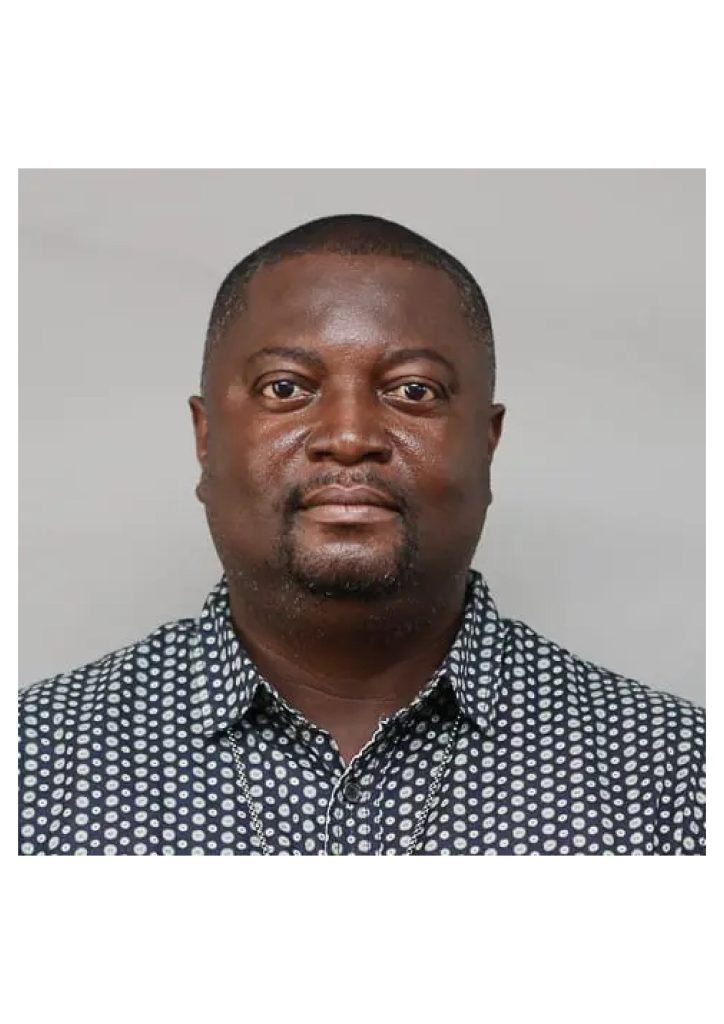
Political analyst and Executive Director of the African Institute of Strategic Studies, Prof. Jonathan Asante Otchere, says the security of Ghana’s President and the executive must take precedence over political arguments surrounding the proposed purchase of a new presidential jet.
Speaking in a telephone interview on Ahotor 92.3 FM’s morning show, Adekyee Mu Nsem, hosted by Nana Dogbe, on Wednesday, November 18, 2026, Prof. Asante Otchere said protecting the country’s leadership was critical to national stability and the continuity of democratic governance.
He argued that the proposed acquisition of a Falcon 6X presidential aircraft should be considered from a national security perspective rather than being reduced to political disagreements over its cost.
He acknowledged concerns about the reported US$61 million price tag, particularly amid the economic difficulties facing many Ghanaians, but maintained that the safety and reliable transportation of the President should remain a priority.
Prof. Asante Otchere also cited the death of former President John Evans Atta Mills and the subsequent transition to then Vice President John Dramani Mahama, saying the incident highlighted the importance of continuity and stability in the Presidency.
On the existing Falcon 900EX aircraft, he raised concerns about its reliability, noting that it had reportedly spent about eight months in France undergoing repairs after approximately 16 years of service.
He questioned whether continued maintenance of the aircraft remained economically viable, arguing that its condition should inform decisions about acquiring a replacement.
The political analyst further stressed that any aircraft purchased for presidential duties would belong to the state and not an individual President or political party, adding that successive governments would benefit from the asset.
He said the aircraft was expected to remain under the custody of the Ghana Armed Forces and Ghana Air Force for official state duties.
On procurement, Prof. Asante Otchere called for transparency and adherence to due process, while acknowledging that certain details could be restricted where genuine national security concerns arise.
He maintained that public accountability must be balanced with the need to protect sensitive security information surrounding the proposed acquisition.
Story by Stephen Kwaku Owusu Mintah


