


Ghana’s prison system is currently facing an unprecedented crisis, with inmate numbers far exceeding the available capacity. As of August 2025, the country’s prisons housed 14,133 inmates in facilities designed to accommodate only 10,265, pushing occupancy to 137.7%. This severe overcrowding has intensified over the past few years, with a marked increase from 12,307 inmates in mid-2022 to nearly 15,000 in early 2024. The resulting surplus of approximately 4,000 prisoners has created dire living conditions that not only undermine the dignity of inmates but also violate fundamental rights related to adequate housing and humane treatment.
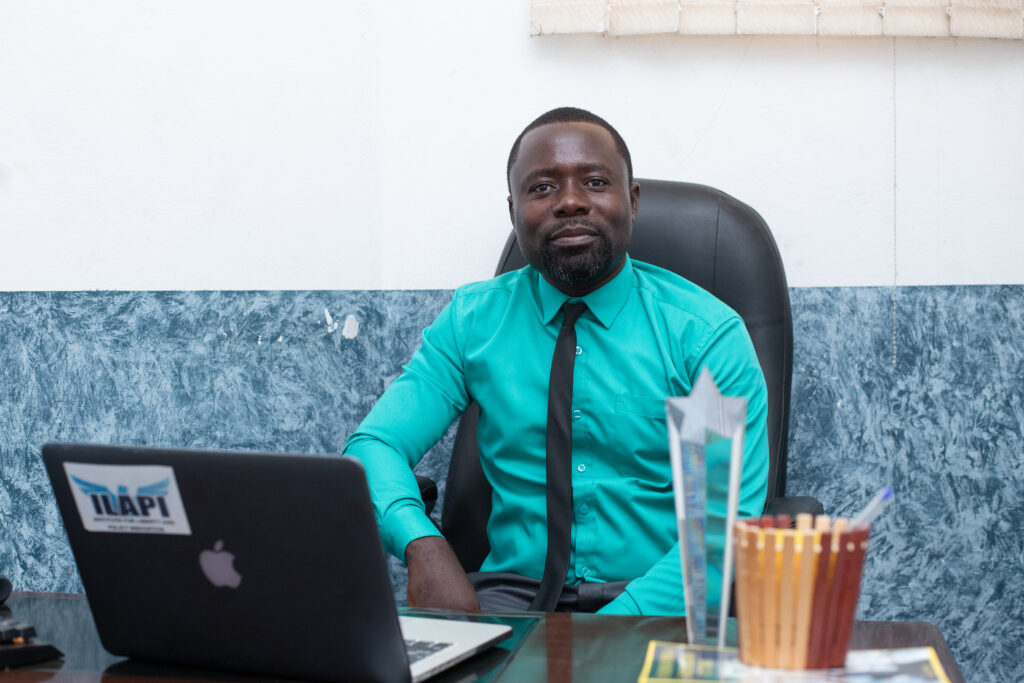
On Ahotor News, Policy Analyst Peter Bismarck Kwofie shed light on the human rights challenges confronting prisoners in Ghana. He explained that while some rights are forfeited upon incarceration, fundamental human rights remain inviolable regardless of one’s circumstances. Kwofie emphasized that prisoners should still be entitled to the right to life, the right to quality and nutritious food, the right to housing, water, and conjugate rights, basic necessities that are often compromised in overcrowded prisons. He lamented that “many of these rights are lacking, underutilized or outrightly undermined in the prison services, highlighting the systemic gaps in the protection of inmates’ core rights.
Kwofie also pointed out the absence of effective mechanisms for prisoners to seek redress or petition the government when their fundamental rights are violated. He stressed the importance of creating channels through which inmates could exercise their constitutional right to petition for improvements in their living and welfare conditions. Petitioning is also a constitutional right which they can seek for, he noted, urging that reforms targeting the recognition and enforcement of prisoners’ fundamental human rights must be urgently pursued. Without such reforms, the ongoing violations related to housing, food, and health services will continue unchecked.
The policy analyst further connected the overcrowding issue to broader socio-economic problems in Ghana. He highlighted that growing unemployment drives up criminality, which in turn swells the prison population. The higher security threat is unemployment, which leads many to indulge in criminality, Kwofie explained. The prisons will be receiving people day in and day out. Against this backdrop, he called on the government to not only address infrastructural deficits by expanding prison capacity but also to ensure that inmates’ fundamental rights are protected as part of a holistic reform agenda.
Peter Bismarck Kwofie appealed for urgent attention to the conditions within Ghana’s prisons, underscoring the link between social policy, justice reform, and human rights protection. He called for comprehensive efforts that would allow prisoners to live with dignity and access the basic rights they are constitutionally guaranteed. The situation, he argued, demands both infrastructural investment and systemic reforms to build a justice system capable of functioning fairly and humanely despite the daunting challenges posed by overcrowding and social inequalities.
Source: Ohemaa Adusi-Poku


