


The National Teaching Council (NTC) has revealed that more than 42,000 teachers currently working in Ghana’s basic and senior high schools do not possess professional teaching qualifications.
According to the Council’s 2026 data, over 30,000 unqualified teachers are teaching at the basic school level, while 12,279 are serving in Senior High Schools (SHS).
The disclosure has reignited concerns about the quality of education, teacher professionalism, and the urgent need for proper training and certification within Ghana’s education sector.
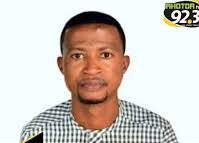
Speaking on Friday, May 15, 2026, on Ahotor FM’s morning show, Adekyee Mu Nsem, hosted by Mr. Nana Dodge, the Chief Executive Officer of Monarch Education, Mr. David Akpalo, expressed deep concern over the increasing number of unqualified teachers in classrooms across the country.
Mr. Akpalo questioned how the country had reached this point despite the large number of trained but unemployed teachers nationwide.
“We are aware that these unqualified teachers are in our classrooms, yet everyone appears unconcerned. Ghana is perhaps the only country where qualified teachers remain at home while unqualified people teach in our schools,” he stated.
He further questioned the recruitment processes that allowed unqualified individuals into the education system, insisting that Ghana does not lack professionally trained teachers.
“It is not as if Ghana lacks qualified teachers. We have trained teachers across the country, so who should be blamed for this situation?” he asked.
Mr. Akpalo blamed politicians for recruiting unqualified individuals into the education sector instead of prioritising professionally trained teachers.
He also criticised sections of the media for remaining silent on the issue, while commending Ahotor FM for bringing national attention to what he described as a major concern.
“Ahotor FM is the only media house championing this important issue and making it a national priority,” he said.
According to him, many politicians entrusted with ensuring quality education are unconcerned because their children do not attend public basic or senior high schools.
Mr. Akpalo further explained that Ghana’s educational legal framework is a multi-layered system based on constitutional provisions, statutory laws, and regulatory bodies responsible for teacher recruitment at both the basic and senior high school levels.
He argued that these legal and professional standards are not being effectively enforced, contributing to the growing number of unqualified teachers in classrooms across the country.
He therefore urged the relevant authorities to strictly enforce the legal framework governing teacher recruitment and professional standards to ensure quality education delivery in Ghana.
Story by Stephen Kwaku Owusu Mintah


