


Former Ghana coach, Otto Addo, a respected member of FIFA’s Technical Study Group, has been reflecting on the shifting landscape of modern football as the world gears up for the 2026 World Cup.
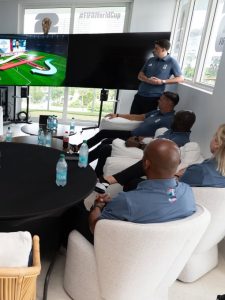
The FIFA’s 11-member technical study group for the 2026 World Cup as they assembled ahead of the tournament.
The group will analyze tactical trends throughout the tournament and also select winners of individual awards.

He finds it particularly fascinating to track the emerging patterns among national teams from every corner of the globe, noting how the sport’s evolution is being shaped by a complex mix of environmental, logistical, and human factors that go far beyond traditional tactics on the pitch.
One of the most compelling aspects, in Addo’s view, is the way European teams are learning to navigate conditions that have historically challenged them more than their counterparts from other regions.
With matches potentially spread across vast distances and played in intense heat, European squads—often accustomed to cooler climates and more compact domestic schedules—must now master the art of adaptation. This includes everything from optimized recovery protocols and travel management to acclimatization strategies that help players maintain peak performance despite the physical toll.
In contrast, teams from Africa and South America, whose players frequently train and compete in hotter, more demanding environments year-round, may enter the tournament with a natural familiarity that could prove advantageous, allowing them to focus more readily on tactical execution rather than environmental adjustment.
From a tactical perspective, Addo stresses that the real intrigue lies in observing how coaches across all continents respond to this multifaceted puzzle. The most successful managers will be those who can seamlessly integrate these external variables into their preparation, ensuring their players receive comprehensive support—ranging from cutting-edge sports science and nutrition plans to mental conditioning—so that every member of the squad can deliver their absolute best.
It is not simply about enduring the heat or surviving long-haul flights; it is about thriving under pressure by extracting maximum value from each athlete’s abilities while accounting for the unique circumstances of a truly global tournament.
Ultimately, Addo sees the 2026 World Cup as a stage where football’s growing complexity will be on full display. The ability to read these evolving trends, adapt intelligently, and prioritize player welfare amid diverse challenges could well separate the contenders from the rest, offering a fresh chapter in the beautiful game’s ongoing story of innovation and resilience.


