

The Africa Cup of Nations (AFCON) stands as the pinnacle of continental football in Africa, a tournament that has crowned legends and broken hearts since its inception in 1957. Yet, for all its glory, it has remained an elusive prize for some of the continent’s most iconic talents.
These players, who dazzled on club stages across Europe and beyond—lifting Champions Leagues, Ballons d’Or, and league titles—often found national team success slipping through their fingers due to heartbreaking penalties, tough draws, injuries, or simply the cruel randomness of tournament football.
AhotorSports delves deeper into their stories, highlighting not just their near-misses but the broader context of their careers, national team struggles, and lasting legacies.
We’ll separate retired legends from those still active as at the time of this article with AFCON 2025 just seven days from kick off in Morocco.
Retired Legends: Icons Denied Eternal Glory
These players hung up their international boots without the AFCON medal around their necks, leaving fans to ponder “what ifs” for generations. Many led their nations to finals or semifinals, only to fall short in the most agonizing ways.
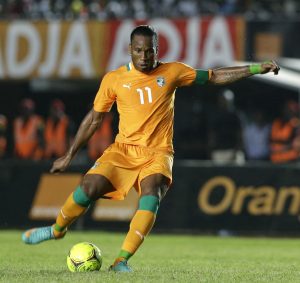
– 🇨🇮 Didier Drogba (Ivory Coast): The elephantine striker’s story is the stuff of AFCON tragedy. With 105 caps and a record 65 goals for Les Éléphants, Drogba captained Ivory Coast to back-to-back finals in 2006 (losing 2-1 to Egypt after extra time) and 2012 (falling to Zambia on penalties).
His leadership galvanized a golden generation, but penalties—those dreaded spot-kicks—denied him twice. Retiring in 2014, he watched from afar as his successors lifted the trophy in 2015. Drogba’s club haul (four Premier League titles, a Champions League with Chelsea) only amplifies the sting; he’s often called Africa’s greatest never to win AFCON

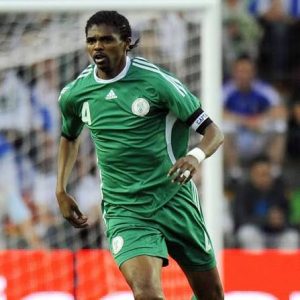
– 🇳🇬 Nwankwo Kanu (Nigeria): The lanky forward from Owerri embodied Nigerian flair but couldn’t conquer the continent. Super Eagles’ talisman in the late ’90s and early 2000s, Kanu dragged Nigeria to the 2000 final, where Cameroon triumphed on penalties in a match marred by controversy (including a late disallowed goal).
With two African Player of the Year awards (1996, 1999), Olympic gold in 1996, and club silverware (two Premier Leagues, a Champions League with Arsenal), Kanu’s international ledger feels incomplete without AFCON gold. He retired in 2012, a decorated giant shortchanged by fate.

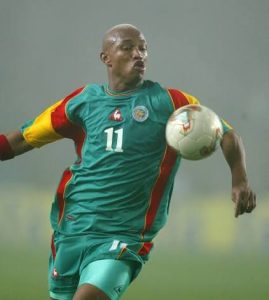
– 🇸🇳 El Hadji Diouf (Senegal): The fiery winger from Rufisque sparked Senegal’s 2002 golden era, reaching the final where they lost to Cameroon on penalties—again, the shootout curse. Diouf’s dazzling runs and that iconic upset over defending champions France at the 2002 World Cup (scoring in the opener) made him a national hero.
Yet, no title followed. His club career (Premier League stints at Liverpool and Bolton) was polarizing, but his 40 goals in 74 caps remain a testament to untapped potential. Diouf retired in 2017, forever the nearly-man of Teranga Lions football.

– 🇬🇭 Asamoah Gyan (Ghana): Ghana’s all-time top scorer (51 goals in 109 caps) and eternal captain, Gyan’s AFCON heartbreaks define a career of resilience. He led the Black Stars to runner-up finishes in 2010 (losing 4-2 on penalties to Egypt after a 0-0 final) and 2015 (1-0 defeat to Ivory Coast).
Infamously, he missed a decisive penalty in the 2010 World Cup quarterfinal against Uruguay. Despite six World Cup goals (an African record), Gyan’s continental void persists. Retiring in 2023 after a stint in India, he’s now a football administrator, but the AFCON scar lingers.

– 🇬🇭 Michael Essien (Ghana): The “Bison” from Accra powered Ghana’s midfield with unyielding energy, reaching the 2010 final alongside Gyan. Injuries hampered his later years, but his 2010 BBC African Player of the Year award and club triumphs (two Champions Leagues with Chelsea) cement his status. Essien’s 57 caps yielded no title, with Ghana’s best under him being that runner-up spot. He retired in 2020, transitioning to coaching, his legacy a blend of club dominance and national near-misses.

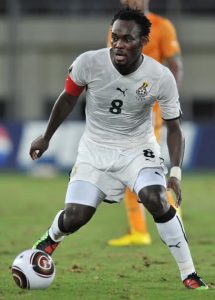
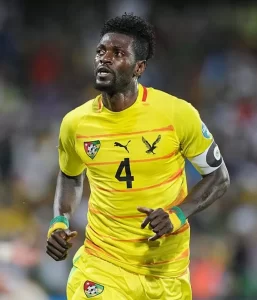
– 🇹🇬 Emmanuel Adebayor (Togo): The towering striker’s international career was defined by chaos and courage. Togo’s record scorer (32 goals in 87 caps), Adebayor qualified the Hawks for their first-ever AFCON in 2006—only for the team bus to be attacked en route, forcing withdrawal.
Later editions saw quarterfinal exits (2013), but no deeper runs. A 2008 African Player of the Year, Adebayor’s club exploits (at Arsenal, Real Madrid, Tottenham) outshone his national ones. Retired in 2020, he now runs a foundation, his story a symbol of African football’s perils.

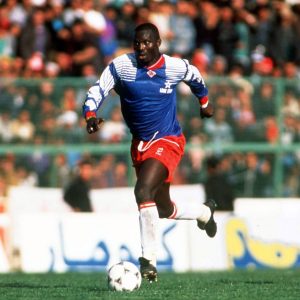
– 🇱🇷 George Weah (Liberia): The King remains the ultimate outlier—the only African Ballon d’Or winner (1995) without an AFCON medal. As Lone Star captain, Weah dragged Liberia to their first (and only) AFCON appearances in 1996 and 2002, but group-stage exits followed.
With 75 caps and 18 goals, his individual brilliance (Serie A titles with Milan, Ligue 1 with PSG) couldn’t overcome Liberia’s infrastructure woes. Now Liberia’s president since 2018, Weah’s football legacy is global, but AFCON’s absence is a poignant footnote.
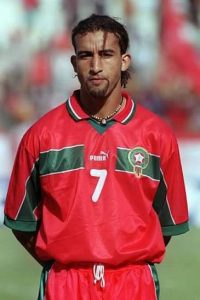
– 🇲🇦 Mustapha Hadji (Morocco): The elegant playmaker from Ifrane guided Morocco to the 1998 World Cup (their best finish) and a quarterfinal in that year’s AFCON. As 1998 African Player of the Year, Hadji’s vision and 10 goals in 74 caps lit up Coventry and Nantes.
Yet, Morocco’s quarterfinal curse persisted during his era. Retired in 2008, he’s now a scout, his career a bridge between Moroccan promise and unfulfilled continental dominance.

– 🇲🇱 Seydou Keïta (Mali): The Bamako-born box-to-box maestro anchored Mali’s “Eagles” to third places in 2012 and 2013, their best-ever finishes. With 102 caps and 25 goals, Keïta’s tenacity shone at Barcelona (three La Liga titles, two Champions Leagues) and Sevilla. But finals eluded him. Retiring in 2018, his leadership elevated Mali, yet the trophy stayed out of reach.

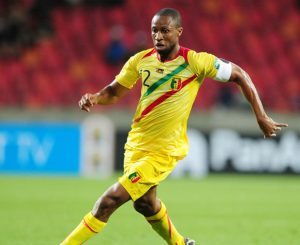
– 🇿🇦 Benni McCarthy (South Africa): Bafana Bafana’s record scorer (31 goals in 80 caps) missed the 1996 home win by debuting too late, then led them to 1998 runner-up (losing 2-0 to Egypt). A Champions League winner with Porto, McCarthy’s power and precision defined South African football. Retired in 2018, he’s now a coach, his AFCON near-miss a chapter in post-apartheid sporting evolution.

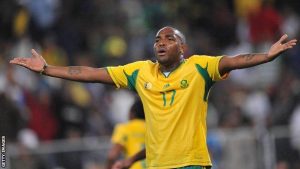
– 🇲🇱 Frédéric Kanouté (Mali): The talismanic forward pushed Mali to their 2004 semifinal (losing to Tunisia). With 102 caps and 23 goals, Kanouté’s elegance at Tottenham and Sevilla (two Europa Leagues, 89 La Liga goals) earned him 2007 African Player of the Year honors. Retiring in 2012 after a testimonial marred by tragedy, his devout faith and charitable work endure, but so does the AFCON regret.
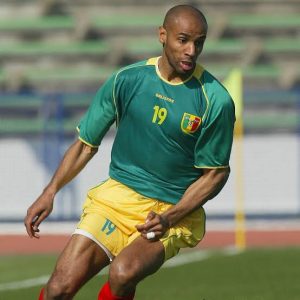
– 🇬🇭 Samuel Osei Kuffour (Ghana): A defensive rock, Kuffour featured in five AFCONs (1996-2006) but never advanced beyond quarters. Bayern Munich’s stalwart (six Bundesligas, a Champions League) and 1995 African Youth Player of the Year, his 62 caps were marked by consistency over glory. Retiring in 2008, he’s remembered for near-perfection—except at AFCON.

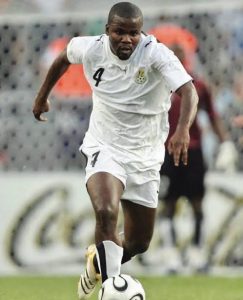
Active Players: Still Chasing the Dream (as of December 2025)
With AFCON 2025 tournament set for Morocco in December 21, 2025, these stars remain in the hunt. Their club pedigrees are elite, but national team fortunes have been mixed—runners-up spots abound, yet the winner’s medal dangles just out of grasp.
– 🇪🇬 Mohamed Salah (Egypt): The Pharaohs’ king, with 57 goals in 102 caps, has dragged Egypt to three straight finals (2017, 2021 lost on penalties to Senegal, and a group exit in 2023). As Liverpool’s all-time leading scorer and multiple-time African Player of the Year, Salah’s speed and precision are unmatched. At 33, with AFCON 2025 on home-soil vibes in Morocco, this could be his last shot—Egypt’s seven titles loom large, but his personal drought persists.

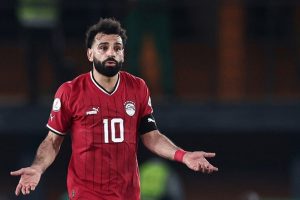
– 🇬🇦 Pierre-Emerick Aubameyang (Gabon): At 36, the Gabonese speedster is still firing for Marseille (eight goals and 10 assists in 19 games this season), but Gabon’s AFCON ceiling remains the 2012 quarterfinal (co-hosted, lost to Mali). With 80 caps and 23 goals, Aubameyang’s Arsenal and Dortmund hauls (Premier League Golden Boot) contrast his national frustrations. Called up for qualifiers, he’s vowed to chase glory in 2025 before potentially retiring internationally.

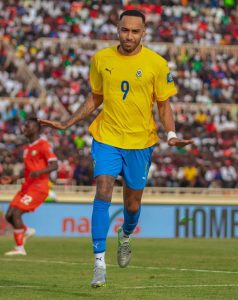
– 🇳🇬 Victor Osimhen (Nigeria): The Napoli sensation, 26 and explosive, spearheaded Nigeria’s 2023 runner-up run (losing 2-1 to Ivory Coast in the final, where he scored three goals). With 28 goals in 39 caps, Osimhen’s 2023 African Player of the Year award and Serie A title make him Nigeria’s hope. As the Super Eagles target a fourth crown in 2025, his physicality could finally break the jinx.
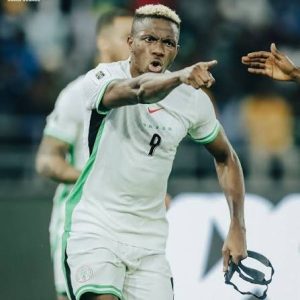
– 🇲🇦 Hakim Ziyech (Morocco): The former Ajax and Chelsea wizard, 32, has 45 assists in 70 caps but no deep AFCON runs—Morocco’s best recent finish was the 2023 semifinal loss to South Africa. African Player of the Year runner-up in 2019 and 2020, Ziyech’s creativity shone at Galatasaray this year, but he’s been controversially omitted from recent squads as he recently signed with Wydad Athletic Club. He was not called for the up coming AFCON.
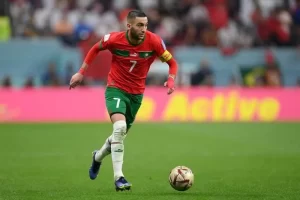
– 🇲🇦 Achraf Hakimi (Morocco): The 27-year-old PSG full-back, with blistering pace and 7 goals in 47 caps, was pivotal in Morocco’s 2022 World Cup semifinal miracle. Yet, AFCON semis in 2019 and 2023 ended in heartbreak. A Champions League winner with PSG and reigning African Player of the Year, Hakimi’s versatility defines modern Moroccan football. At home in 2025, expect him to bomb forward in pursuit of ending a 49-year wait.

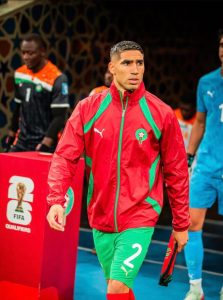
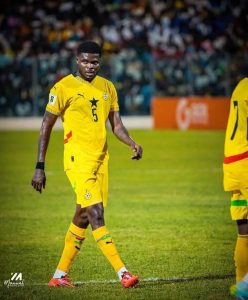
– 🇬🇭 Thomas Partey (Ghana): Former Arsenal’s midfield enforcer, 32, has 42 caps but no title—Ghana’s last win was 1982, with recent finals (2010, 2015) predating his prime. Injuries have limited him, but his 2022 World Cup showings and La Liga experience position him as Ghana’s linchpin. Failed to qualify for 2025–first absence in 20 years.

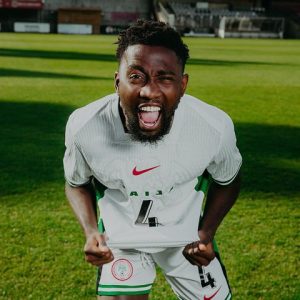
– 🇳🇬 Wilfred Ndidi (Nigeria): The 28-year-old Leicester destroyer anchors the Super Eagles’ midfield with 40+ caps. Part of the 2023 runners-up, Ndidi’s tackling and vision (Premier League title in 2016) shine, but penalties and upsets have blocked the path. Still in his prime, 2025 offers redemption.
Many contemporaries like 🇸🇳 Sadio Mané (Senegal, won 2021) and 🇩🇿 Riyad Mahrez (Algeria, won 2019) have claimed the prize, underscoring how cruel AFCON fortune is—even elites like these face rejection.
These stars’ narratives expose football’s harsh poetry: Drogba’s tears in 2012, Gyan’s missed penalty in 2010, Weah’s Sisyphean efforts for Liberia are inexplicable episodes.


