


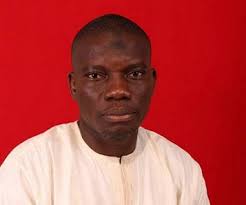
The Deputy Director of Elections for the National Democratic Congress (NDC), Mahdi Jibril, believes that Ghana has experienced remarkable progress under the leadership of John Dramani Mahama as the nation marks one year since the party’s election victory. According to him, the “reset agenda” resonated loudly across the country, with the party’s strategic grassroots mobilisation contributing significantly to its electoral success. The NDC ultimately secured victory with 56.5% of the vote.
He reiterated that challenges such as high transport fares for Hajj pilgrims, severe economic hardship, and widespread corruption had previously burdened Ghanaians.
Reflecting on the Mandate: A Year of Reset
One year after the NDC’s decisive win in the 7 December 2024 elections, various perspectives have emerged regarding governance and the economy — marked both by cautious optimism and lingering challenges.
The election represented a historic comeback for John Dramani Mahama, who won with about 56.5% of the vote, defeating ruling-party candidate Mahamudu Bawumia. The NDC also secured a parliamentary majority. Many interpreted the victory as a public rejection of the previous government’s handling of Ghana’s economic crisis — characterised by inflation, debt default, currency depreciation, and a high cost of living.
Mahama’s “reset” agenda, launched at his inauguration in January 2025, promised macroeconomic recovery, job creation (including the “24-hour economy” initiative), anti-corruption measures, and enhanced governance.
Economic Recovery: Signs of Stabilisation
• Growth rebound and improved resilience
World Bank reports indicate that Ghana recorded 5.7% GDP growth in 2024, with growth continuing into the first quarter of 2025 at about 5.3%.
This progress has been supported by stronger trade performance, increased reserves, and improved activity in agriculture, manufacturing, ICT, trade, and services.
• Inflation, currency, and cost of living improving
Monetary policy adjustments by the Bank of Ghana have helped stabilise inflation and strengthen the cedi. This has resulted in some relief — cheaper imports, reduced machinery costs for businesses, and a decline in prices of certain commodities.
Although hardship remains widespread, these improvements provide hope that the worst of the economic crisis is easing.
Governance Under the NDC: Promise and Challenges
Following the election, the government quickly reaffirmed its commitment to the “reset” vision. On the first anniversary of the 2024 victory, President Mahama pledged to “build a Ghana for all,” restore trust in public institutions, and deepen accountability.
The administration also initiated changes in public-sector appointments, revoking some previous appointments and making new ones. While such reshuffling is expected after a change of government, analysts caution that increasing the wage bill while pursuing fiscal consolidation could pose risks.
Thus, the NDC government must balance political renewal with fiscal discipline — updating institutions where necessary but avoiding unsustainable spending.
Persisting Challenges
Despite progress, several obstacles remain:
-
Public finance pressure: High wage bills, debt-servicing obligations, and the cost of social programmes demand prudent expenditure.
-
High expectations: Many citizens expect swift improvement in living conditions, including jobs and reduced inflation. Delays could erode public confidence.
-
External vulnerabilities: Ghana remains dependent on global commodity prices (gold, cocoa), external demand, and international economic conditions.
-
Need for strong reforms and transparency: Anti-corruption promises and regulatory reforms require institutional strength and openness to succeed.
What the Coming Years May Bring
The next few years will determine whether the “reset” becomes a long-term transformation or a temporary rebound.
If stability continues and reforms are implemented effectively, Ghana could see rising investor confidence, a stronger business climate, expanded agro-industry and manufacturing, improved public services, better living standards, and gradual debt reduction.
However, if challenges escalate — fiscal strain, global shocks, stalled reforms, or unmet public expectations — the nation could face renewed instability, including inflationary pressure, currency weakness, and social dissatisfaction.
Success will depend on transparent institutions, efficient public-sector management, trust-building, and inclusive growth that benefits ordinary Ghanaians.
A Cautious but Hopeful Reset
One year after the 2024 election, Ghana stands at a pivotal moment under the NDC. Early signs — economic stabilization, modest cost-of-living improvements, and renewed reform pledges — offer cautious optimism.
But the legacy of crisis and high public expectations mean the margin for error is small.
If the “reset” is guided by fiscal discipline, transparency, inclusiveness, and long-term reforms, Ghana may indeed be on a sustainable path to recovery. If not, the challenges could quickly resurface.
Ultimately, this first year is about rebuilding trust — among citizens, investors, and institutions. The true test will be whether that trust translates into real, lasting improvements in the lives of ordinary Ghanaians.


