


Flooding continues to pose a major threat across the Greater Accra Region, with many residents losing property and struggling with the devastating effects of heavy rains. Officials of the National Disaster Management Organisation (NADMO) say the situation is being worsened by human activities, poor drainage systems, and uncontrolled urban development in flood-prone communities.
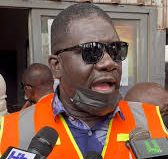
Speaking on Ahotor FM’s Adekyee Mu Nsem programme with Citizen Kofi Owusu, Mr. Dennis Nortey Adjannor disclosed that many drains within Accra remain heavily choked with refuse, preventing the smooth flow of rainwater during storms. He explained that this has contributed significantly to recurring floods in several parts of the capital.
According to him, out of the 29 municipalities in the Greater Accra Region, at least 16 communities have been identified as flood-prone zones. Areas frequently affected include Mamprobi, College Road, Dansoman, parts of Ga East, Ga Central, and Sakumono.
Mr. Adjannor noted that rapid urbanisation and increasing migration into Accra have placed enormous pressure on the city’s drainage infrastructure. He further blamed encroachment on wetlands and Ramsar sites for reducing the natural absorption of excess rainwater.
Using Sakumono as an example, he pointed to the rapid developments around the China Mall enclave, where large portions of natural wetlands have been overtaken by construction projects. According to him, this has weakened the land’s ability to contain floodwaters during heavy rainfall.
He also highlighted ongoing road construction works, indiscriminate dumping of refuse into gutters, and the construction of buildings on waterways as major factors worsening the flooding situation across Accra.
The NADMO official therefore urged residents to remain alert throughout the peak rainy season and strictly adhere to flood and weather safety advisories issued by authorities. He advised the public to avoid dumping waste into drains and waterways, stressing that poor sanitation remains one of the leading causes of urban flooding.
Mr. Adjannor further encouraged residents to call the national emergency number, 112, whenever they require urgent assistance during emergencies. However, he cautioned against prank calls, warning that false alarms waste critical emergency resources and delay response efforts for people who genuinely need help.
The growing flooding crisis in Accra continues to raise concerns among residents and city authorities, with many calling for stronger enforcement of sanitation laws, improved drainage systems, and better urban planning to help prevent future disasters.
Story by Stephen Kwaku Owusu Mintah


