


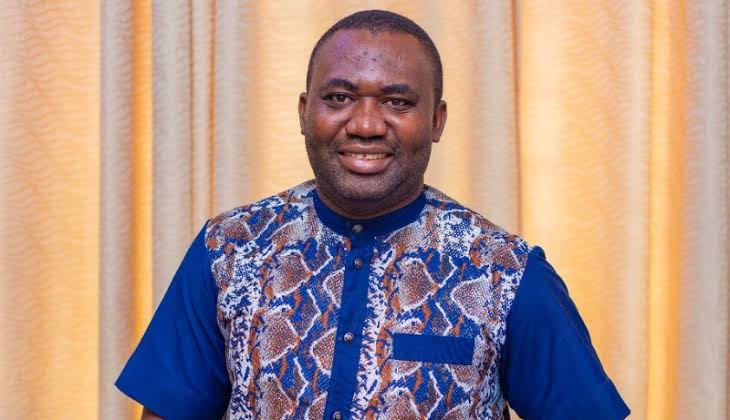
A Senior Lecturer at the Department of Planning at the Kwame Nkrumah University of Science and Technology (KNUST), Dr. Stephen Appiah Takyi, has called for urgent reforms to Ghana’s urban planning system, warning that the country’s recurring floods are the result of weak enforcement of planning regulations, poor land-use control, and the failure to plan beyond short-term political cycles.
Speaking on Ahotor FM’s Adekyee Mu Nsem programme, hosted by Citizen Kofi Owusu in Accra, Dr. Appiah Takyi said Ghana continues to rely on reactive responses to flooding rather than preventive planning, leaving communities vulnerable year after year.
He stressed that while emergency interventions such as clearing drains and providing disaster relief are necessary, they do not address the root causes of the flooding problem.
“We respond every rainy season, yet very little is done to prevent the next one. That cycle must end,” he said.
Dr. Appiah Takyi argued that Ghana’s flooding challenges reflect deeper governance and planning failures rather than excessive rainfall alone.
According to him, development decisions are too often driven by short-term political considerations, resulting in uncontrolled urban expansion and the growth of settlements in high-risk flood zones.
He said Ghana’s planning system must move beyond election-cycle thinking and embrace long-term national development planning that prioritises public safety, resilient infrastructure, environmental protection, and sustainable urban growth.
The planning expert also expressed concern over the increasing encroachment on wetlands, waterways, and natural drainage channels, warning that such activities are destroying natural flood buffers and increasing the country’s vulnerability to flooding.
He noted that although Ghana has laws governing land reclamation, wetland protection, and building approvals, enforcement remains weak and inconsistent.
Dr. Appiah Takyi therefore called on regulatory institutions to strictly enforce planning regulations, particularly in flood-prone communities, to prevent avoidable disasters and protect lives and property.
“Why do we wait for floods before we act every year?” he questioned.


