


In a bold move to modernize Ghana’s political landscape, the Constitutional Review Committee has recommended slashing the minimum age requirement for presidential candidates from 40 to 30 years old. This proposal, detailed in their comprehensive report released this week, aims to inject fresh perspectives and youthful energy into the nation’s highest office, reflecting the rapid evolution of technology and global leadership trends.
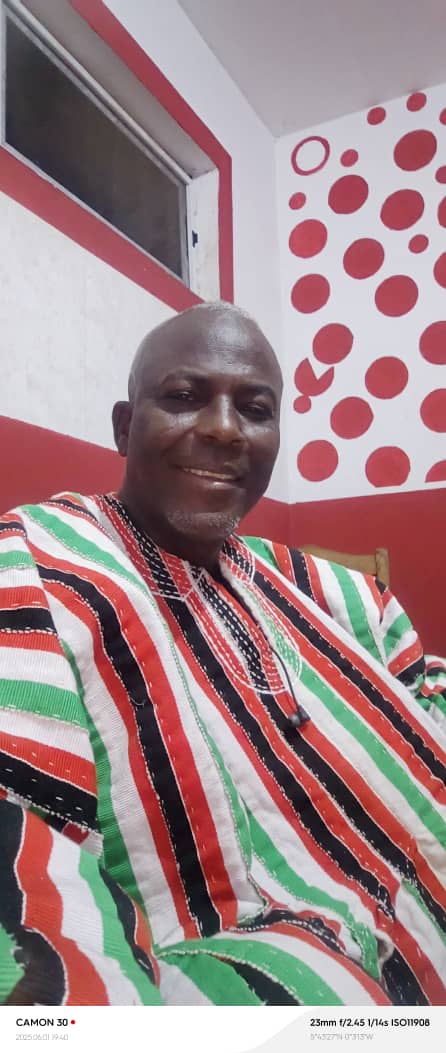
Mahama Haruna, a prominent former NDC Organizer for the Kpone Katamanso constituency, voiced enthusiastic support for the age reduction during a recent public discussion. “I fully agree with setting it at 30 years,” Haruna declared. “At that age, the mind is sharp and agile, especially in today’s digital space where young people navigate information, innovation, and global trends with ease. By 40, a person might already feel too entrenched in old ways, potentially slowing down the pace of progress.”
Haruna didn’t stop at age limits. He delved deeply into the structure of presidential terms, critiquing the current four-year cycle as inadequate for meaningful governance. He pointed out a discrepancy in discussions, noting that some had referenced five years, but argued for an even bolder extension to six. “In our system, it takes a whole lot of time often about a year for the president to form their government, appoint ministers, and get the machinery running,” he explained. “After that initial hurdle, they should be given an extra five years to focus on real development. A six-year term means two full terms would total 12 years, allowing leaders to build lasting legacies.”
He emphasized the risk of short terms leaving projects unfinished: “If we see that the person is doing well, they should be allowed to continue rather than having four years fly by too quickly, abandoning what they’ve started.” Haruna contrasted this with observations from abroad, where he noted gleaming infrastructure and economic powerhouses. “When you travel overseas, you see countries that have truly developed efficient transport systems, booming industries, and stable economies. In Africa, we lag far behind in development, and short-term exacerbate this gap.”
Expanding on electoral fairness, Haruna called for constitutional amendments to protect returning leaders like President John Dramani Mahama, who lost an election but staged a comeback. “There should be a law allowing someone who loses and returns to serve two full terms,” he insisted. “We need to revisit these amendments because our ultimate goal is development and attributable progress for the country.”
Haruna’s critique extended to Africa’s democratic model, which he described as ill-suited to the continent’s needs. “African democracy isn’t working for us most of the time it’s not delivering the development we’re desperate for,” he said, advocating for “dictatorship-like focus” on results, where leaders prioritize growth over constant politicking. “The extension of presidential terms would help bridge this,” he added. He lambasted the 1992 Constitution as a relic of its era: “The world keeps turning, and new things emerge every day digital economies, climate challenges, AI revolutions. We must amend our constitution to fit us as Africans, not copy outdated Western templates.”
Addressing Continuity and Institutional Independence
Haruna urged a fundamental shift away from the “winner-takes-all” principle embedded in the current framework. “Every election, the new government scraps what the previous one started, even if it was a good initiative,” he lamented. “This causes the country massive losses think of half-built roads, stalled hospitals, or abandoned tech hubs that could have transformed lives.” He proposed explicit constitutional language mandating that successors continue beneficial projects, ensuring steady advancement regardless of party lines.
Finally, he spotlighted the need to fortify key institutions. “We must strengthen the judiciary and security services to make them truly independent,” Haruna stressed. Under the status quo, incoming governments routinely replace figures like the Inspector General of Police (IGP) with allies, leading to biased enforcement. “The new appointee just supports the government’s agenda, whether it helps the nation or not, and often, it doesn’t. But if these institutions become strong and independent, they will serve the people first, fostering stability and impartial justice.”
Haruna’s proposals have sparked debate among political analysts, with supporters hailing them as pragmatic reforms for Africa’s unique challenges, while critics warn of risks to democratic checks and balances. As the Constitutional Review Committee’s report heads to parliament, these ideas could reshape Ghana’s governance for generations.
Story by: Mercy Addai Turkson #ahotoronline.com


