
Multidimensional poverty in Ghana has dropped from 23.9% in the first quarter of 2025 to 21.9% by the third quarter, according to the latest Multidimensional Poverty Index (MPI) report from the Ghana Statistical Service (GSS).
This decline signals better access to basic services and living conditions for many households. Between the second and third quarters of 2025 alone, over 360,000 people escaped multidimensional poverty. Across the full year, from Q3 2024 to Q3 2025, about 950,000 individuals moved out of poverty.
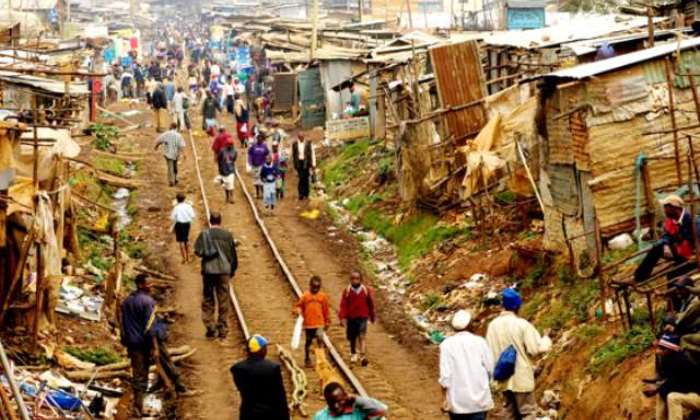
Progress masks stark regional divides. North East and Savannah Regions still face poverty rates above 50%, while Greater Accra and the Western Region stay below 20%. Rural areas lag far behind urban ones, with 31.9% poverty incidence versus 14.2%—an 18-point gap.
Health and living conditions drive most deprivations: health issues, mainly from gaps in insurance coverage, account for 40.9%, while poor living standards like overcrowding, nutrition shortfalls, sanitation problems, and subpar housing make up 33.8%.
Education and jobs provide strong buffers. Households without formal education suffer 38.5% poverty, dropping to 5.7% for those with tertiary education. Unemployed people face 35.6% poverty, compared to about 5% for those in formal public or private sector roles.
Vulnerable groups bear the brunt, including people with disabilities, informal workers, female-headed households, and residents of high-poverty regions. The “triple burden” of unemployment, poverty, and food insecurity also edged up slightly, from 1.4% (208,000 people) in Q2 2025 to 1.5% (227,500 people) in Q3.
The GSS stresses that lasting gains demand targeted social protection, broader healthcare access, better education, and quality jobs especially in rural and high-poverty zones.
Story by: Mercy Addai Turkson #ahotoronline.com