


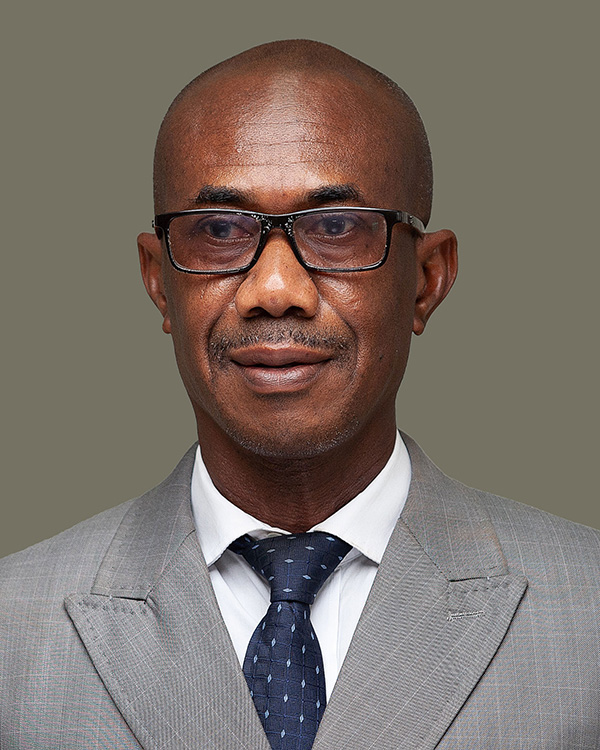
Associate Professor of Business Economics and Actuarial Science at the University of Professional Studies, Accra (UPSA), Professor Abdullah Abdul-Mumuni, says Ghana’s economy is showing signs of improvement, although significant challenges remain.
Speaking on Ahotor FM’s Adekyee Mu Nsem programme in Accra-Tema on September 23, 2026, Professor Abdul-Mumuni said increased private investment, household consumption, economic growth and the decline in inflation point to an improvement in economic activity.
He said businesses are expanding and investing more, while increased household spending on goods and services is also contributing to economic activity.
Professor Abdul-Mumuni explained that real Gross Domestic Product (GDP) growth is another important indicator of economic expansion, particularly when considered alongside population growth and investment activity.
He also pointed to the decline in inflation as a positive development, explaining that although prices remain high, the slower rate of price increases provides a more stable environment for businesses and households.
The economist attributed the improvement partly to fiscal consolidation and efforts to increase domestic revenue mobilisation. He said measures to control government expenditure and improve revenue collection are helping to strengthen the country’s fiscal position.
Dangote’s assessment of Ghana’s economy
Commenting on Nigerian businessman Aliko Dangote’s assessment of Ghana’s economy, Professor Abdul-Mumuni said his perspective could be understood from the standpoint of a businessman who pays attention to investment, business expansion and consumer activity.
He said there is evidence of improvement in these areas, particularly in private investment and business activity, but stressed that the progress does not mean Ghana has completely overcome its economic difficulties.
Infrastructure remains a major challenge
Professor Abdul-Mumuni identified infrastructure deficits, particularly poor roads, as one of the major challenges affecting economic growth and productivity.
He said inadequate infrastructure makes it difficult for businesses to operate efficiently and limits the movement of goods and services.
“Generally, we are making progress, but we still have problems,” he said.
Professor Abdul-Mumuni therefore called for sustained policy interventions to maintain the gains made while addressing infrastructure deficits and other structural challenges. He said continued improvement in private investment and economic activity would need to be supported by policies that translate economic growth into broader benefits for businesses and households.
Story by Stephen Kwaku Owusu Mintah


