


The Government of Ghana has officially launched the Revised National Cultural Policy, a landmark framework designed to preserve the country’s rich cultural heritage while positioning culture and creativity as critical drivers of national development and economic transformation.
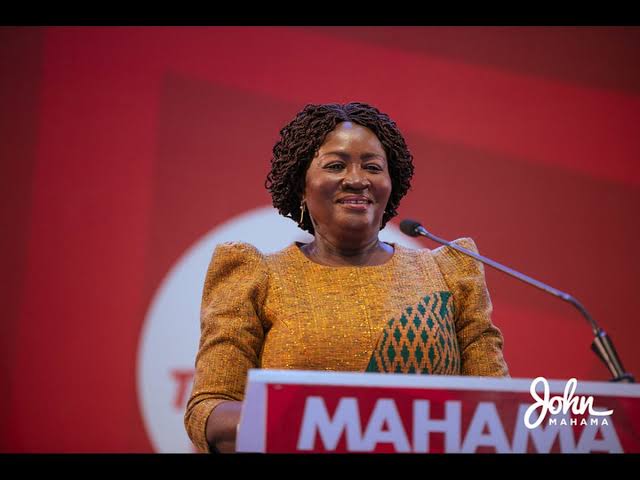
The policy was launched at the National Theatre in Accra by Vice President Professor Naana Jane Opoku-Agyemang, who underscored the vital role of culture in shaping identity and advancing national progress.
Addressing stakeholders from government, academia, traditional institutions, the creative industry, civil society, and development partners, the Vice President emphasised that the revised policy seeks to safeguard Ghana’s cultural heritage while empowering the country’s cultural and creative sectors.
According to her, the policy provides a strategic framework to protect, promote, and preserve Ghana’s traditions while unlocking the economic and social potential of the creative economy.
“This policy seeks to protect, promote and preserve our heritage while nurturing our cultural and creative industries. By safeguarding our traditions and empowering our creative sectors, we are promoting inclusive growth, creating decent jobs, strengthening education, and reducing inequalities,” she stated.
Professor Opoku-Agyemang explained that the policy aligns with the United Nations Sustainable Development Goals (SDGs) and the African Union’s Agenda 2063, which envisions an Africa rooted in strong cultural identity, shared values, and common heritage.
She further highlighted Ghana’s growing role in advancing cultural justice on the international stage, particularly through advocacy at the United Nations on issues relating to the transatlantic slave trade, restitution, and reparations.
The Vice President also stressed the importance of cultural intelligence, language preservation, and the responsible use of emerging technologies, including Artificial Intelligence (AI), to document, digitise, and promote Ghanaian culture while creating opportunities for young people.
Minister for Tourism, Culture and Creative Arts, Hon. Dzifa Abla Gomashie, described the revised policy as a transformative national document that shifts culture beyond its traditional social and anthropological framing to become a strategic pillar for economic growth and sustainable development.
She noted that cultural activities such as naming ceremonies, marriages, festivals, and rites of passage sustain extensive value chains that create jobs and generate revenue across sectors including fashion, hospitality, media, tourism, transportation, and the creative arts.
The Minister called on investors and businesses to take advantage of opportunities within Ghana’s cultural and creative sectors, stressing that culture represents both economic value and a powerful expression of national identity and pride.
She also urged the media to prioritise Ghanaian content and encouraged young people to embrace their cultural identity while using their talents to project positive narratives about the country.
Presenting an overview of the policy framework, renowned cultural scholar and policy expert, Professor Esi Sutherland-Addy, explained that the revised document emerged from extensive consultations involving government institutions, cultural practitioners, academia, community leaders, development partners, and other key stakeholders.
She outlined six core pillars of the policy: Culture and Heritage, Culture and Society, Culture and Governance, Culture and the Economy, Culture and Technology, as well as National Oversight, Implementation and Regulation.
According to Professor Sutherland-Addy, the policy seeks to address emerging challenges such as globalisation, cultural erosion, youth disengagement from heritage, and the urgent need to strengthen Ghana’s creative economy.
She emphasised that the framework recognises culture as a foundation for national identity and development and seeks to preserve languages, traditions, indigenous knowledge systems, cultural sites, and artefacts while promoting innovation and economic advancement.
Speaking on behalf of UNESCO, Edmond Moukala commended Ghana for demonstrating that modernisation and cultural preservation can coexist, noting that the country continues to remain firmly rooted in its cultural values and traditions.
He reaffirmed UNESCO’s commitment to supporting the implementation of the policy and acknowledged the European Union’s contribution toward its development.
The Acting Secretary-General of the Ghana National Commission for UNESCO, Osman T. Damba, praised the inclusive and consultative process that shaped the revised policy and expressed confidence that it would strengthen Ghana’s cultural and creative sectors while promoting cultural diversity and sustainable development.
The launch also highlighted ongoing initiatives by the Ministry, including the UNESCO Culture Indicators Framework, cultural documentation programmes, youth photography competitions, and efforts to improve data collection on culture’s contribution to national development.
Stakeholders at the event expressed optimism that the Revised National Cultural Policy would provide a comprehensive roadmap for government institutions, cultural organisations, traditional authorities, communities, and private-sector actors to position culture as a central pillar of Ghana’s development agenda.
The ceremony concluded with Vice President Professor Naana Jane Opoku-Agyemang officially declaring the Revised National Cultural Policy of Ghana launched, marking the beginning of a renewed national effort to preserve Ghana’s heritage while harnessing culture and creativity for sustainable development.


