


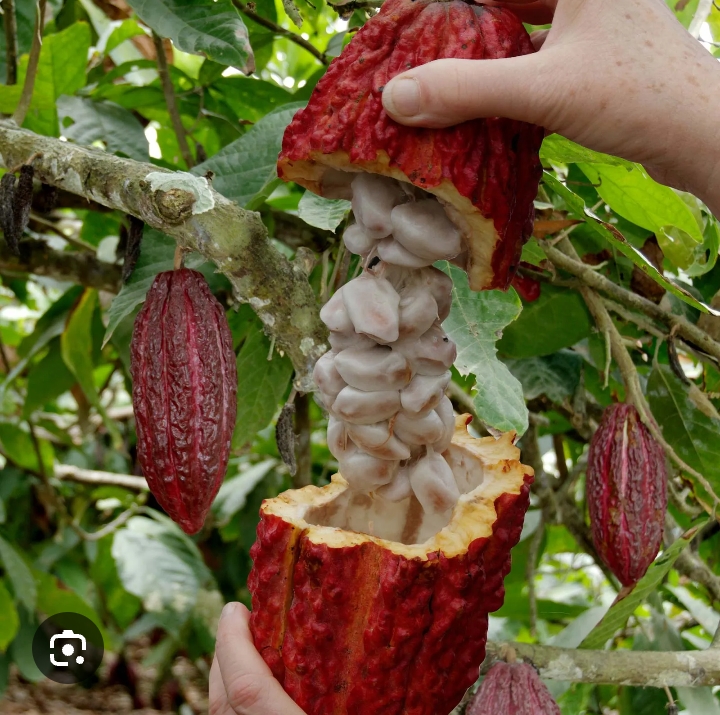
Ghana grows some of the best cocoa in the world, but it is earning less from it while other countries make the big money from chocolate.
The country is facing three problems at the same time: falling prices, slowing growth, and a smaller harvest ahead.
International cocoa prices hit about US$10,000 per tonne in early 2025. They have now fallen to around US$5,420 per tonne. At the same time, growth in the cocoa sector has slowed sharply, from 14.2% to just 5.2% in the second quarter of 2026.
Production is also expected to drop. COCOBOD is projecting at least a 16% fall in the 2026/27 season, from about 750,000 tonnes to around 650,000 tonnes. Bad weather, swollen shoot disease, ageing farms, and illegal mining on cocoa land are to blame. A very strong El Niño expected in 2026/27 could make things worse.
That is why government had to cut the producer price earlier this year from GH¢58,000 to GH¢41,392 per tonne.
*The real problem: Ghana sells raw, others sell chocolate*
Ghana and Côte d’Ivoire together grow about 60% of the world’s cocoa, but they capture only a small share of the final chocolate value.
Ghana still exports most of its beans raw. Only about 20 to 30% are processed locally into liquor, butter, powder or chocolate.
In the first quarter of 2026, cocoa exports were US$1.689 billion, but raw beans alone were US$1.2 billion. That was 11.7% of all of Ghana’s exports.
The system also works against Ghana. The EU, Ghana’s biggest market, charges 0% tariff on raw beans, but up to 9.6% on cocoa paste and 25% on finished chocolate. That rewards raw exports.
In simple terms: Ghana sells the bean cheap, others roast, grind, brand and sell the chocolate expensive.
*Why processing at home matters now*
Processing more cocoa in Ghana would mean more foreign exchange per tonne, more factory jobs, and less exposure to wild price swings.
Ghana already has installed grinding capacity of over 500,000 tonnes, but it is running at less than half because beans are diverted to raw export.
That is why government has set a target to process at least 50% of cocoa locally. The Cocoa Marketing Company has also secured Gulf offtake deals for liquor, butter, cake and powder, to make sure there are buyers before Ghana grinds more.
The price fall and production drop are serious, but they expose a bigger problem. As long as Ghana remains mainly a raw-bean exporter, it will keep feeling every global price shock, while most of the profit from its cocoa is made abroad.
Story by Ama Frimpomaa


