


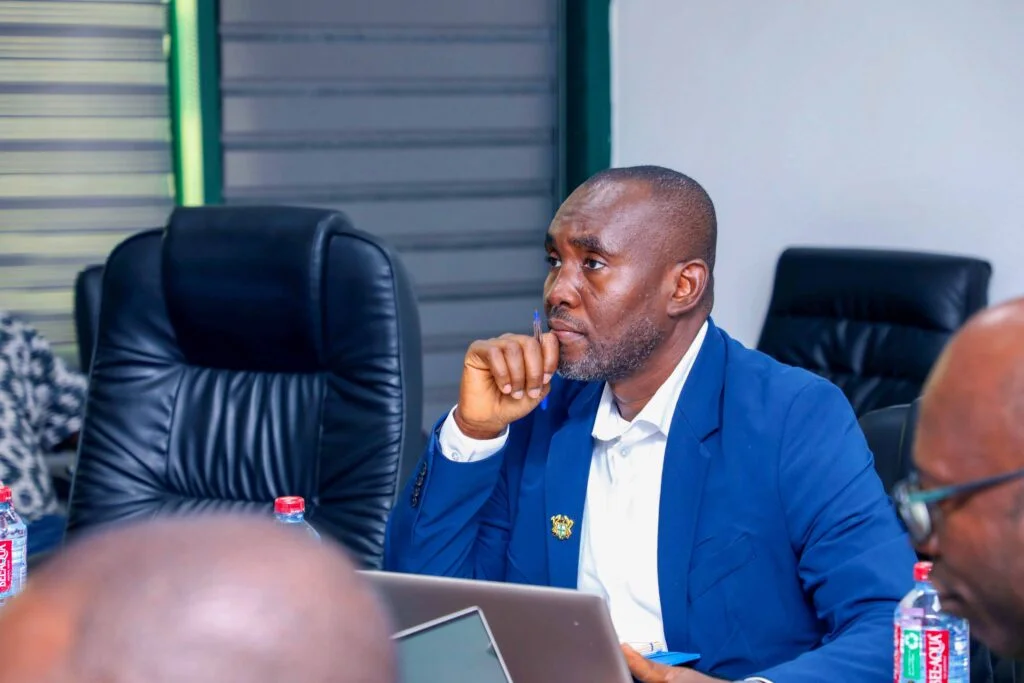
The Executive Secretary of the Public Utilities Regulatory Commission (PURC), Dr. Shaffic Suleman, has disclosed that proceeds from the GH¢1 levy on petroleum products have played a significant role in reducing Ghana’s energy sector debt and maintaining a stable electricity supply. According to him, the funds have been used to clear long-standing financial obligations owed to Independent Power Producers (IPPs), gas suppliers and other key players in the energy value chain, helping to improve the sector’s financial health.
Speaking on the impact of the levy, Dr. Suleman said a report from the Ministry of Finance shows that approximately GH¢8 billion has been generated and deployed to address critical liabilities within the sector. He explained that a substantial portion of the funds has been used to settle arrears owed to Independent Power Producers, many of whom had been awaiting payment for electricity supplied to the national grid. He noted that clearing these debts has been essential in restoring confidence among power producers and ensuring the continued generation of electricity.
Dr. Suleman further revealed that part of the funds has been used to restore the World Bank-backed risk guarantee for the Sankofa Gye Nyame gas project with ENI, as well as settle accumulated debts that had negatively impacted Ghana’s credit rating. According to him, restoring these guarantees has significantly improved the country’s international credit profile and strengthened investor confidence in Ghana’s energy sector.
He added that additional payments have been made to gas suppliers, including partners involved in the Sankofa and Jubilee gas projects, to ensure a reliable supply of natural gas for electricity generation. He stressed that these payments are vital because gas remains a key fuel source for thermal power plants that supply electricity to millions of Ghanaians.
According to the PURC Executive Secretary, the interventions funded by the levy have directly contributed to keeping the country’s power system stable. He explained that the financial support has significantly reduced the sector’s debt burden and enabled government to meet its financial obligations across the energy value chain, thereby preventing disruptions in electricity generation and distribution.
Dr. Suleman, however, cautioned that Ghana’s energy sector continues to require substantial government support despite the progress made in debt reduction. He explained that maintaining uninterrupted electricity supply is not a one-time financial commitment but an ongoing responsibility that requires continuous funding to pay for fuel used in power generation.
He disclosed that the Ministry of Finance currently injects an average of 92 million US dollars every month, in addition to electricity tariffs paid by consumers, to keep power flowing across the country. According to him, the monthly support covers the cost of fuel purchases and other operational expenses necessary to sustain electricity generation throughout the year.
Dr. Suleman said the government’s continued financial intervention underscores the fiscal pressures facing Ghana’s power sector, even as recent debt-clearing measures have improved the country’s credit outlook and restored confidence among international partners and investors. He emphasized that sustained financing and prudent management remain critical to ensuring reliable electricity supply while advancing reforms aimed at achieving long-term financial sustainability in the energy sector.
Story by Freedom Etsey Lavoe


