


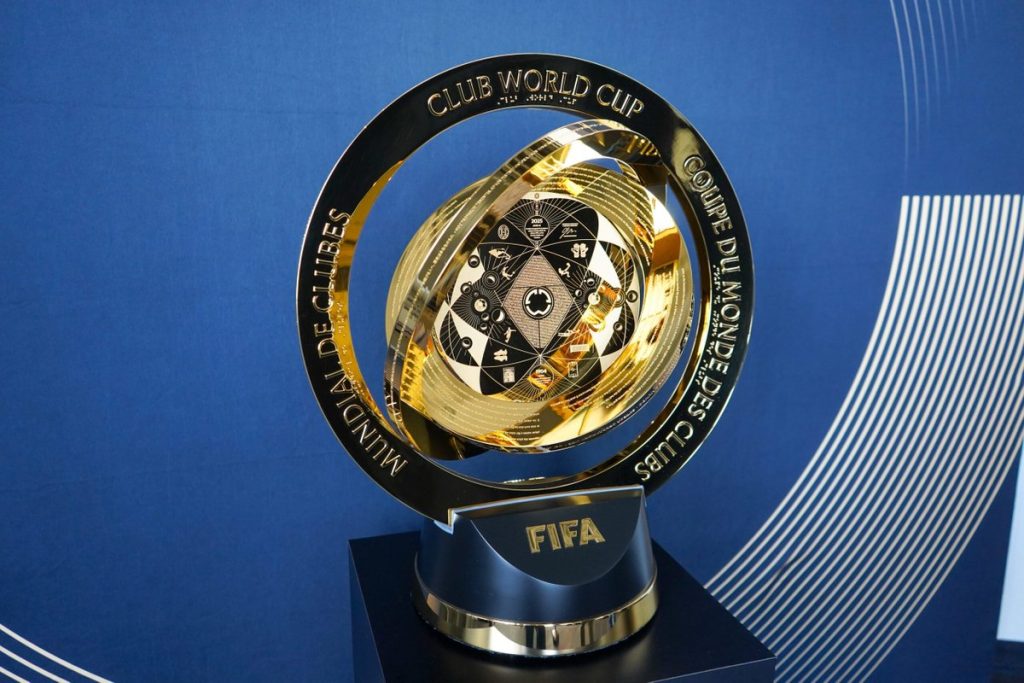
The upcoming edition of the FIFA Club World Cup, scheduled for 2029, is set to feature an expanded lineup of 48 clubs rather than the 32 that competed in the inaugural revamped tournament held in the United States in 2025.
This significant increase follows the perceived success of that first expanded edition, which Chelsea ultimately won, and comes as FIFA looks to mirror the scaling-up approach it took with the national team World Cup, which also moved to 48 participants starting in 2026.
The push for this change stemmed largely from dissatisfaction among several of Europe’s most prominent and commercially powerful clubs, which found themselves excluded from the 2025 event despite their global stature and fanbase appeal.
Notable examples included Barcelona, Liverpool, and Manchester United, all of whom missed out under the qualification system that allocated slots based on a four-year continental performance ranking with strict limits on the number of teams per country.
This left major stakeholders feeling they were missing out on both sporting prestige and substantial financial opportunities tied to participation in such a high-profile competition.
In response to this lobbying and broader feedback, FIFA explored options to grow the tournament further, aiming to ensure broader inclusion—particularly for elite European sides—while maintaining a balanced representation across confederations.
Initially, UEFA had expressed reservations about any expansion, citing potential risks to the prominence and scheduling of the Champions League, but recent developments show a shift toward cooperation.
UEFA appears ready to support the move to 48 teams for 2029, provided FIFA commits to keeping the Club World Cup on a quadrennial cycle rather than pushing for more frequent editions, which had been floated earlier.
This agreement reflects improving relations between FIFA president Gianni Infantino and his UEFA counterpart Aleksander Ceferin.With the increase from 32 to 48 teams, the tournament would likely see adjustments to slot allocations, such as boosting Europe’s representation from the current 12 to around 16 or more, allowing historically significant clubs greater chances of qualifying without overhauling the core qualification principles entirely.
Discussions have also touched on potential hosting options for 2029, including a possible joint bid from Spain and Morocco as a prelude to larger events, though the United States remains in contention after successfully staging the 2025 edition.
Overall, this evolution underscores FIFA’s ambition to position the Club World Cup as a truly global, high-impact showcase for club football on a scale comparable to the national team World Cup.


