


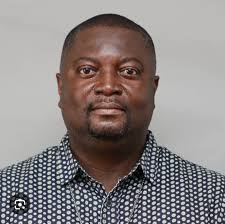
The arrest of former government spokesperson and New Patriotic Party (NPP) communicator Dennis Miracles Aboagye by the Economic and Organised Crime Office (EOCO) over allegations of misappropriation, theft and diversion of approximately GH¢55 million in public funds has sparked widespread political debate.
EOCO invited Mr Aboagye to assist with investigations before placing him under arrest. He was subsequently granted bail while investigations continue. The arrest prompted NPP executives, Members of Parliament and supporters to converge at EOCO’s headquarters in protest, accusing the government of using state institutions to target political opponents. Government officials and several governance experts, however, have defended the investigations, insisting that accountability must be pursued without political interference.
Commenting on the development, political analyst and Executive Director of the African Institute of Strategic Studies, Dr Jonathan Asante Otchere, criticised the NPP’s response, warning that attempts to pressure state institutions and mobilise supporters whenever party officials are investigated threaten Ghana’s democracy and the rule of law.
Speaking on Ahotor FM’s Adekyee Mu Nsem, hosted by Citizen Kofi Owusu in Accra, Dr Asante Otchere said Ghanaians must avoid creating the impression that some individuals are above the law. He argued that Ghana is governed by the rule of law and that every citizen, regardless of political affiliation or status, must be held accountable whenever allegations of wrongdoing arise.
He noted that EOCO had invited Dennis Miracles Aboagye on two previous occasions before his arrest, insisting that the investigative body followed due process. According to him, attempts by political parties to mobilise supporters at investigative institutions amount to intimidation and undermine the independence of state agencies.
Describing the practice as a “democratisation of lawlessness,” Dr Asante Otchere cited the Greek historian Polybius, explaining that democracy degenerates into mob rule when crowds seek to influence legal processes instead of allowing institutions to perform their constitutional mandate.
He maintained that the bail granted to Mr Aboagye resulted from due process rather than political pressure, stressing that no Ghanaian should receive preferential treatment because of political office. While acknowledging that the GH¢15 million bail conditions were substantial, he noted that they related to allegations involving approximately GH¢55 million in public funds currently under investigation.
Dr Asante Otchere further argued that reports indicating the former accountant connected to the matter had begun refunding part of the money made it necessary for investigators to establish the roles played by every individual associated with the transaction, including those who supervised the programme under investigation.
He questioned why some political actors sought to portray the investigation as persecution instead of allowing the legal process to take its course, insisting that accountability should never be sacrificed for political convenience.
The political analyst also criticised what he described as the NPP’s recurring practice of mobilising supporters at police stations, EOCO offices and other state institutions whenever party members are invited for questioning. He said that although both major political parties have engaged in similar conduct over the years, the practice must end if Ghana’s democratic institutions are to remain strong and independent.
According to him, the fundamental problem is that accountability is often lacking while governments are in office. As a result, investigations frequently continue after political parties leave power, creating tensions that could have been avoided through stronger accountability mechanisms.
Turning to the NPP’s ongoing constituency elections, Dr Asante Otchere said the violence witnessed in several constituencies reflects intense internal competition over parliamentary ambitions. He alleged that some parliamentary aspirants sponsor preferred constituency executives to improve their chances in future parliamentary primaries, a development he believes has contributed to the violent clashes.
He also argued that the presence of heavily built men, commonly referred to as “macho men,” at some election centres suggested premeditated attempts to intimidate opponents rather than isolated incidents.
Dr Asante Otchere urged all political parties to respect the independence of state institutions, refrain from attempting to influence investigations through public pressure and allow the rule of law to prevail. He stressed that Ghana’s democracy can only be strengthened when accountability is applied equally to every citizen, without fear or favour.
Story by Stephen Kwaku Owusu Mintah


