


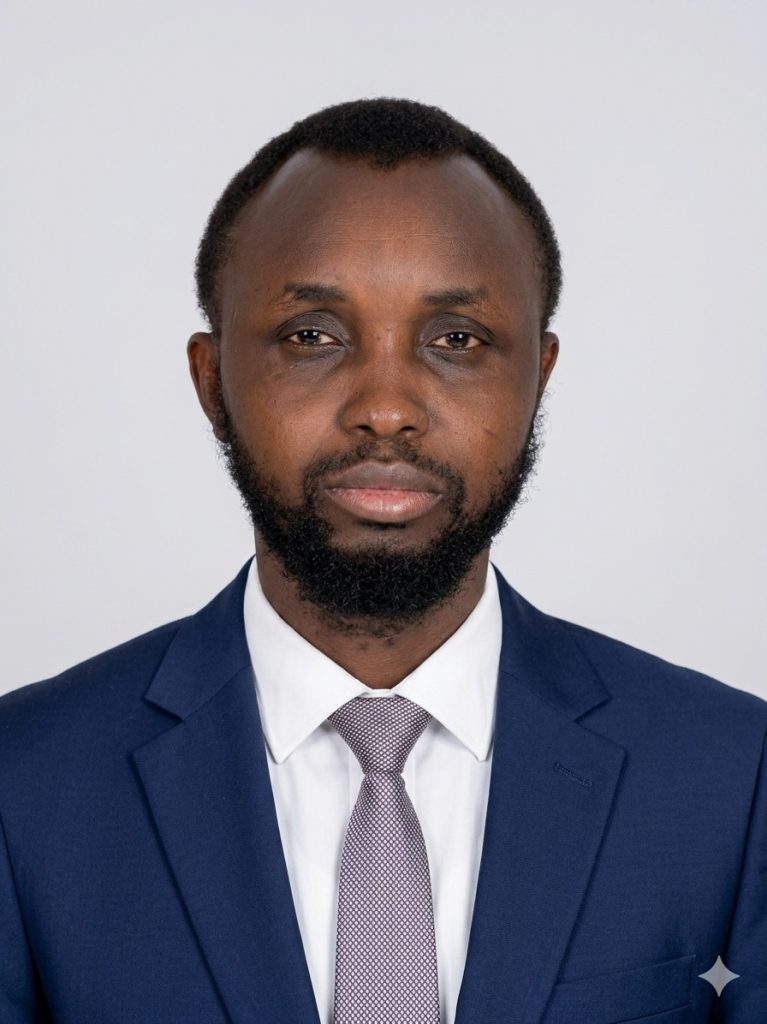
Dr. Mohammed Muntaka Abdul Rahman, an economist, lecturer at Accra Technical University, and Executive Director of the Zongo Policy and Research Institute, has raised concerns about the state of infrastructure along the Mallam Junction–Kasoa corridor, describing the road network as inadequate and in urgent need of improvement.
Speaking on Ahotor FM’s Adekyee Mu Nsem programme with Citizen Kofi Owusu in Accra, Dr. Abdul Rahman said persistent traffic congestion between Kasoa and Accra continues to undermine productivity and economic growth. He stressed the need for practical and sustainable solutions to improve the movement of people and goods along the corridor.
According to him, the government should consider dedicating a lane exclusively to the Ayalolo bus service between Kasoa and Accra to improve the efficiency of public transportation. He argued that such an intervention would significantly reduce travel times for commuters and encourage greater use of mass transit systems.
Dr. Abdul Rahman emphasized that productivity must be at the heart of transportation planning, noting that workers who spend several hours in traffic each day often arrive at work stressed and less productive.
He also called for increased investment in alternative modes of transportation, particularly railway services. He said a modern rail network would provide a long-term solution to the growing congestion on the Accra–Kasoa highway while complementing existing road infrastructure.
Drawing on personal experience, Dr. Abdul Rahman revealed that he has lived in Kasoa since 1995 and has witnessed traffic congestion along the corridor for decades. He noted that the persistent traffic challenges between Accra and the Kasoa Barrier require comprehensive planning and sustained investment to address effectively.
The economist further expressed concern over what he described as widespread indiscipline in physical planning and development control. He questioned how developers continue to receive approval to build on hills and elevated areas, arguing that erosion from such developments often washes sand onto roads around the Kasoa Barrier. According to him, this creates additional challenges for motorists and contributes to environmental degradation.
He maintained that stricter enforcement of planning regulations is necessary to safeguard infrastructure and prevent avoidable environmental problems.
As an interim measure, Dr. Abdul Rahman suggested relocating road construction and drainage equipment closer to the Kasoa Barrier area to enable authorities to respond more quickly to immediate infrastructure challenges affecting residents and commuters.
On political and grassroots issues, he observed that an increasing number of young people are showing interest in the National Democratic Congress (NDC). However, he stressed that the party must develop effective strategies to integrate, empower, and support these young supporters.
According to him, many grassroots members are eager to improve their livelihoods and contribute meaningfully to national development but require opportunities and support to establish themselves economically. He encouraged eligible individuals to take advantage of government-backed financial and entrepreneurship initiatives, including small-scale funding programmes, to build sustainable businesses and create jobs.
Touching on the government’s reset agenda, Dr. Abdul Rahman acknowledged concerns raised by some grassroots supporters regarding developments within the party and government. He said party leaders must engage more closely with their supporters and ensure that the benefits of governance are felt at the community level.
He emphasized that young people remain a vital force in national development and political mobilization, adding that creating opportunities for the youth must remain a national priority.
Dr. Mohammed Muntaka Abdul Rahman concluded by stressing that improving transportation infrastructure, expanding railway networks, enforcing planning regulations, and empowering grassroots communities are critical steps toward boosting productivity, driving economic growth, and achieving sustainable national development.
Story by Stephen Kwaku Owusu Mintah


