


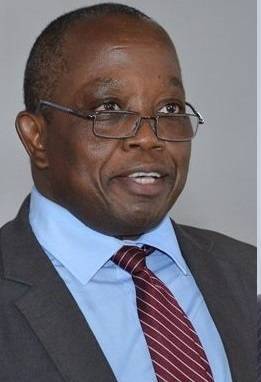
Former Auditor-General Daniel Yaw Domelevo has supported the Office of the Special Prosecutor’s (OSP) decision to investigate an alleged GH¢70,000 payment linked to the parliamentary vetting of ministerial and Supreme Court nominees.
Mr. Domelevo said the controversy warranted an independent investigation to establish what actually happened, arguing that the allegations had surfaced on several occasions and should not be dismissed solely on the basis of a denial by Deputy Minority Leader and Asokwa Member of Parliament Patricia Appiagyei.
Speaking on Channel One TV on Saturday, September 5, Mr. Domelevo said the investigation should establish whether the disputed memorandum alleging the payment is genuine and whether the signature attributed to Mrs. Appiagyei is authentic.
He urged the OSP to subject the document to forensic examination to determine whether it was genuinely authored or signed by the Asokwa MP or whether the signature had been forged.
According to him, such an examination would help resolve the conflicting accounts and determine whether the alleged payment took place.
“…But it needs to be investigated, and we’ll be sure that somebody is just being mischievous or it actually happened,” Mr. Domelevo said.
Appiagyei denies alleged payment
Mrs. Appiagyei has denied receiving or discussing any money in connection with the parliamentary vetting process.
She has also rejected the memorandum cited in connection with the alleged GH¢70,000 payment, describing it as fake.
Mr. Domelevo said the denial should not bring the matter to an end, insisting that the appropriate way to settle the controversy is through an independent examination of the disputed document and other available evidence.
He said the OSP’s investigation should ultimately establish whether the memorandum is authentic, whether the signature belongs to Mrs. Appiagyei and whether any payment was actually made.
Domelevo questions payments from Presidency
The former Auditor-General also raised broader concerns about the appropriateness of Members of Parliament receiving payments from the Presidency after participating in parliamentary vetting exercises.
He argued that if MPs are entitled to sitting allowances for their parliamentary duties, such payments should ordinarily be provided for through Parliament’s own budget rather than being funded by another government institution.
Mr. Domelevo said the issue therefore goes beyond the authenticity of the disputed memorandum and raises questions about the proper procedure for financing parliamentary activities and allowances.
He maintained that the OSP’s investigation should provide clarity on the competing claims and establish the facts surrounding the document and the alleged GH¢70,000 payment.
Story by Freedom Etsey Lavoe


