


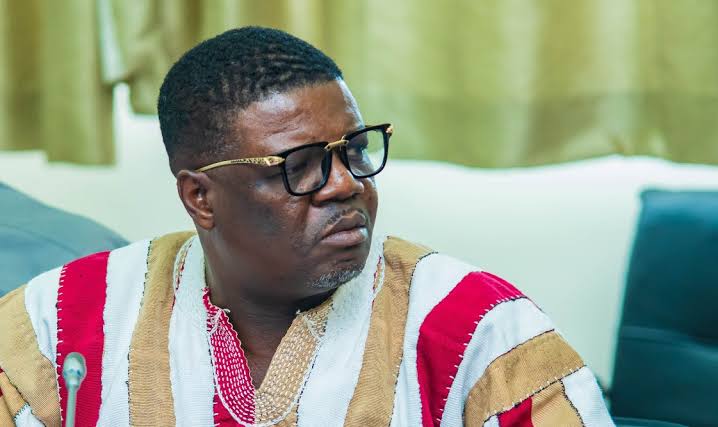
Majority Chief Whip and Member of Parliament for South Dayi, Rockson-Nelson Dafeamekpor, has criticised the arrest and detention of people over comments deemed insulting to government officials, warning that such actions could create unnecessary controversy for the administration.
Mr Dafeamekpor said while insults against public officials are regrettable and should not be encouraged, such comments do not necessarily constitute a threat to government and should not automatically result in arrests.
Speaking on the issue, he said he was unhappy with some of the recent arrests and urged the government to pay closer attention to how such cases are handled.
According to him, some of the arrests could create the impression that the government is intolerant of criticism and dissent, potentially undermining the administration’s image.
He stressed that the government should focus on delivering on the mandate given to it by Ghanaians rather than allowing arrests arising from political commentary to become a distraction.
Mr Dafeamekpor maintained that citizens should be allowed to express their views, while genuine threats to public safety or national security should be dealt with through the appropriate legal processes.
He acknowledged that offensive or insulting remarks should not be encouraged but said the government must also consider the broader political and democratic consequences of arresting people over their utterances.
His comments come amid renewed debate over freedom of expression, political criticism and the use of state institutions, particularly following the opposition New Patriotic Party’s “Democracy Under Attack” demonstration on Thursday, August 6.
The NPP said the demonstration was organised to raise concerns over the rule of law, constitutional governance and democratic accountability.
The opposition party has accused the government of political persecution, selective justice and abuse of state institutions, allegations the government has rejected.
Mr Dafeamekpor’s comments add to growing calls for a balance between protecting public officials from unlawful conduct and safeguarding citizens’ constitutional rights to free expression and political criticism.
Story by Freedom Etsey Lavoe


