


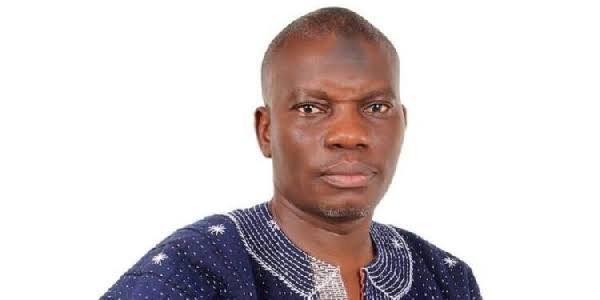
The Acting Director of Elections and Information Technology (IT) of the National Democratic Congress (NDC), Mahdi Jibril, has said clean-up exercises are not only about removing waste but also about instilling discipline among citizens and promoting responsible environmental practices.
Speaking on Ahotor FM’s Adekyee Mu Nsem programme in Accra, Mr. Jibril said Ghana’s sanitation challenges cannot be solved by government alone, stressing that citizens must cultivate the habit of proper waste disposal and take responsibility for keeping their communities clean.
He explained that the involvement of district assemblies and other local government structures in sanitation exercises is intended to foster a culture of discipline, where people continue to maintain clean surroundings even after organised clean-up campaigns.
“Once we finish the clean-up, it does not mean we should go back to our old ways. It is about changing our attitude and building discipline. We can organise another exercise when necessary, but the key issue is discipline,” he said.
Mr. Jibril noted that Ghana had experienced periods of improved sanitation because citizens were more committed to community clean-up exercises, but said that momentum had gradually declined over the years.
Using Japan as an example, he said the country’s high sanitation standards are largely a reflection of the discipline of its citizens. He cited the practice of Japanese football supporters cleaning stadiums after matches as evidence of their respect for public spaces and collective responsibility.
He stressed that while government continues to invest in major development projects, citizens also have a responsibility to adopt proper sanitation practices to support national development.
On the latest initiative, Mr. Jibril disclosed that a two-day nationwide clean-up exercise had been scheduled for Friday and Saturday to tackle sanitation challenges across the country. He explained that the first day would focus on clearing accumulated waste, particularly in public institutions and communities where refuse has built up over the past three years.
He added that the exercise would also enable the authorities to assess prevailing sanitation challenges and identify additional measures needed to improve waste management nationwide.
Story by Stephen Kwaku Owusu Mintah


