


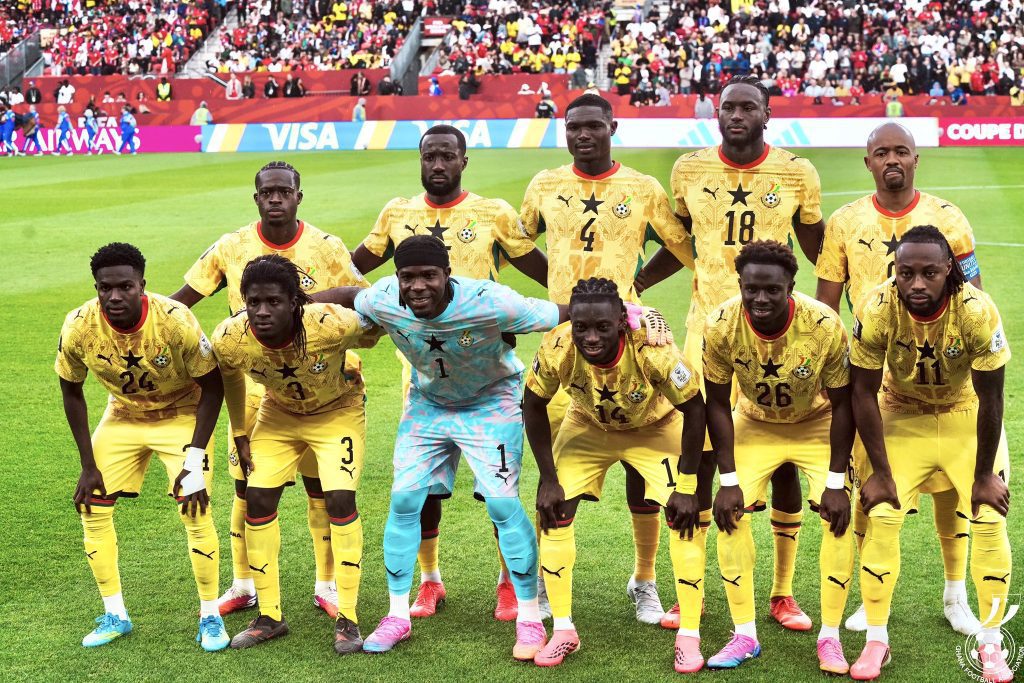
The final whistle echoed far beyond the stadium. It resonated in homes, viewing centres and communities across Ghana, where millions watched another World Cup dream come to an end.
The Black Stars’ 1-0 defeat to Colombia in the Round of 32 of the 2026 FIFA World Cup has left the nation grappling with disappointment and renewed questions about the future of Ghana football. A campaign that began with optimism has ended in familiar heartbreak, with the four-time African champions once again falling short on the global stage.
For supporters, the result is more than a single defeat. It represents another missed opportunity to restore Ghana’s place among football’s elite. Despite flashes of quality throughout the tournament, the Black Stars struggled to convert possession into goals when it mattered most, while defensive lapses once again proved costly.
The loss has reignited debate over the country’s football direction. Fans, former players and analysts are calling for sweeping reforms that extend beyond changing coaches or reshuffling players. They argue that the challenges confronting the national team are rooted in deeper structural issues that demand long-term solutions.
A stronger domestic league, sustained investment in youth development, transparent football administration and a clear technical philosophy are increasingly seen as the foundation upon which the next generation of Black Stars must be built. Without these reforms, many fear Ghana risks falling behind emerging football nations that have embraced modern planning and development.
Yet amid the disappointment, there remains hope. Ghana’s football history is rich with resilience, from continental triumphs to memorable World Cup performances that captured the imagination of the world. Those achievements remind the nation that success is possible when talent is matched with vision, discipline and effective leadership.
As the Black Stars return home, the focus must shift from blame to rebuilding. The lessons of this World Cup should inspire honest reflection and decisive action rather than temporary reactions driven by emotion.
The faithful supporters have played their part, standing by the team through every challenge. They now look to football authorities, coaches and players to demonstrate the same commitment by laying the groundwork for a brighter future.
The 2026 World Cup journey has ended, but Ghana’s football story is far from over. The next chapter will depend not on promises made in the aftermath of defeat, but on the difficult decisions taken in the months and years ahead. If those decisions are bold and consistent, the Black Stars may yet rise again to reclaim their place among Africa’s finest and compete with confidence on the world stage.


