


[Story By: AlexanderKukah]
As communities across Ghana recover from the devastating effects of recent floods, a critical question continues to linger: Are both government and citizens truly prepared to enforce and obey the laws needed to prevent future disasters?
The recent flooding, which displaced families, destroyed property, disrupted businesses, and claimed livelihoods, has once again exposed the nation’s vulnerability to natural disasters. Yet experts argue that the causes of flooding are not entirely natural. Many are linked to human activities, weak enforcement of regulations, and a collective failure to respect environmental and planning laws.
For years, authorities have warned against building on waterways, dumping refuse into drains, and encroaching on wetlands. Despite these warnings, illegal structures continue to emerge in flood-prone areas while drainage systems remain clogged by waste.
The recurring cycle raises concerns about the country’s commitment to implementing existing laws designed to protect lives and property.
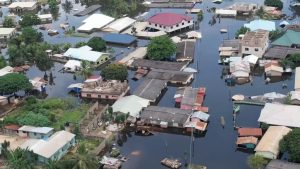

Government agencies often respond swiftly during emergencies by deploying relief items, evacuating affected residents, and assessing damages. However, disaster management experts say prevention must become a greater priority than emergency response.
They argue that enforcing building regulations, strengthening sanitation laws, protecting water bodies, and removing unauthorized structures from waterways require political will and consistency.
“The laws exist. The challenge has always been enforcement,” observed one urban planning analyst. “We cannot continue to wait for floods before acting.”
The responsibility, however, does not rest solely with government institutions.
Citizens also have a crucial role to play in reducing flood risks. The indiscriminate disposal of waste into drains, resistance to demolition exercises, and disregard for environmental regulations contribute significantly to urban flooding.
Many residents acknowledge the dangers but often return to practices that undermine flood prevention efforts. This has prompted calls for a renewed sense of civic responsibility and public education.
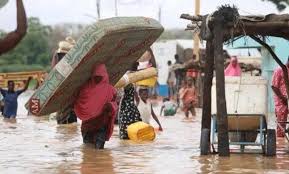

Environmental advocates believe that lasting solutions will require a partnership between authorities and the public. While government must demonstrate firmness in applying the law without fear or favor, citizens must equally commit to complying with regulations that safeguard communities.
The recent floods should serve as more than a reminder of nature’s power. They should become a wake-up call for collective action.
Every disaster presents an opportunity to learn. The lessons from the latest flooding are clear: planning regulations matter, sanitation laws matter, environmental protection matters, and enforcement matters.
As Ghana continues to grapple with the aftermath of the floods, the focus must shift from reacting to disasters to preventing them. The true test will not be the speed of recovery, but whether government agencies and citizens are determined, prepared, and ready to uphold the laws that can reduce future risks.
If those lessons are embraced, the recent tragedy may become a turning point in building safer, more resilient communities. If not, the country risks reliving the same painful experience when the next heavy rains arrive.


