


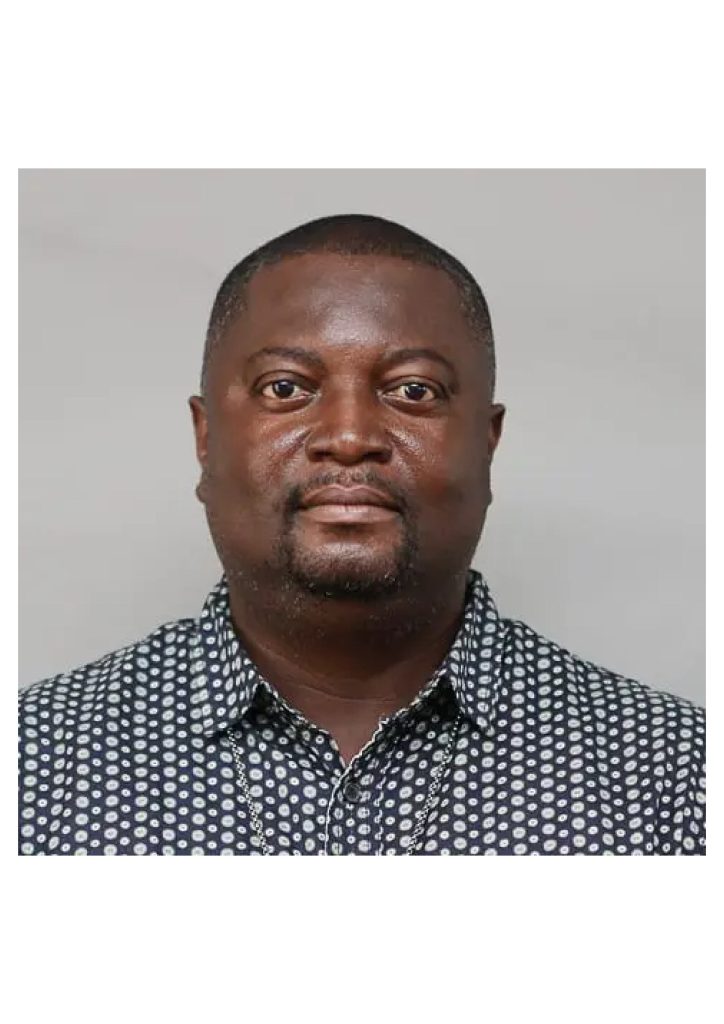
Executive Director of the Africa Institute of Strategic Studies, political analyst and University of Cape Coast lecturer, Professor Jonathan Asante–Otchere, has criticised the Minority in Parliament for what he describes as blind allegiance to Damongo MP Samuel Abu Jinapor following his disagreement with the Speaker of Parliament.
Speaking on Ahotor92.3 FM’s Morning Show Adekyee Mu Nsem in Accra-Tema with Citizen Kofi Owusu, Prof. Asante-Otchere questioned the Minority’s decision to boycott parliamentary proceedings in solidarity with Mr Jinapor, arguing that the matter could have been resolved without disrupting parliamentary business.
He maintained that although parliamentary rulings may not always favour lawmakers, the Standing Orders must be respected to ensure discipline and order in the House.
According to him, the controversy stemmed from comments allegedly made by Mr Jinapor against the integrity of the Speaker, prompting demands for a retraction and apology.
He also argued that the issue concerned service passports rather than diplomatic passports, suggesting that Mr Jinapor could have avoided the escalation by retracting his comments and apologising.
Prof. Asante-Otchere further faulted the Minority leadership for failing to persuade their colleague to resolve the matter, describing their decision to support the boycott as misplaced.
“If it is founded on something logical, I would have supported the Minority. But I think this is blind allegiance,” he said.
NDC urged against complacency ahead of 2028
On the broader political landscape, Prof. Asante-Otchere acknowledged the opposition’s responsibility to scrutinise the government and present itself as a credible alternative but urged political parties to strengthen their grassroots structures.
He cautioned the governing National Democratic Congress (NDC) against complacency ahead of the 2028 general elections, suggesting that the party could lose some parliamentary seats while the New Patriotic Party (NPP) makes gains.
He also called for adequate support for MPs, particularly those representing constituencies that have historically been difficult for their parties to win.
Government urged to strengthen communication strategy
The political analyst also urged the government to improve its communication strategy and take the lead in shaping public discussions rather than constantly reacting to opposition narratives.
He said timely and coordinated communication was necessary to explain government policies and decisions, citing the evacuation of Ghanaians from South Africa as an example.
According to him, the government could have done more to explain the humanitarian considerations behind the exercise and its responsibility to protect Ghanaian citizens.
He maintained that a proactive communication strategy would help address public concerns, clarify government decisions and counter criticism with facts.
Story by Freedom Etsey Lavoe


