


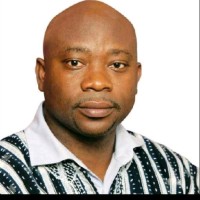
A local government expert and political analyst, Dr. Richard Fiadomor, has attributed Ghana’s recurring floods to corruption, poor project implementation, and weak governance, arguing that resources earmarked for critical drainage infrastructure were not used effectively.
Speaking on Adekyee Mu Nsem, the morning programme on Ahotor 92.3 FM hosted by Citizen Kofi Owusu in Accra, Dr. Fiadomor alleged that the implementation of the Greater Accra Resilient and Integrated Development (GARID) Programme, funded with support from the World Bank, fell short of its intended objectives.
According to him, portions of the project designed to expand storm drains and construct covered gutters were either not executed according to contract specifications or were inadequately implemented, undermining efforts to reduce flooding in the capital.
“The flooding we continue to experience can largely be attributed to corruption and mismanagement. Funds intended for drainage expansion and flood mitigation were not utilised effectively for the purpose they were approved,” he said.
Dr. Fiadomor acknowledged that public indiscipline, including indiscriminate disposal of waste into drains and waterways, also contributes significantly to flooding. However, he maintained that government agencies bear primary responsibility for ensuring that major flood control projects are properly executed and monitored.
He rejected attempts to place the blame on the current National Democratic Congress (NDC) administration, noting that it has been in office for only about 15 months. According to him, the previous New Patriotic Party (NPP) administration oversaw the implementation of the GARID Programme over an eight-year period and should therefore account for the project’s outcomes.
“The current government cannot be held solely responsible for the existing state of drainage infrastructure. The previous administration managed the GARID project for eight years, yet many of the expected interventions remain incomplete,” he stated.
For decades, flooding has remained one of Ghana’s most persistent urban challenges, evolving beyond an environmental concern into a major governance and political issue. Successive governments have announced interventions to address the problem, yet heavy rains continue to expose weaknesses in drainage systems, urban planning, and enforcement of building regulations.
The June 3, 2015 flood and fire disaster, which claimed more than 150 lives, remains one of the country’s worst tragedies. In its aftermath, the then NDC administration initiated drainage expansion projects, intensified desilting exercises, and pledged stricter enforcement of planning regulations. However, critics argued that illegal developments on waterways and flood-prone lands continued largely unchecked.
After assuming office in 2017, the NPP government pledged to strengthen flood prevention through improved drainage infrastructure, sanitation campaigns, and urban renewal initiatives. It also implemented the GARID Programme, aimed at enhancing flood resilience, improving solid waste management, and strengthening urban infrastructure across the Greater Accra Metropolitan Area.
Despite these interventions and significant public investment, seasonal flooding continues to affect several communities in Accra and other parts of the country, renewing public debate over project implementation, maintenance of drainage systems, accountability in public spending, and the need for long-term urban planning solutions.


