


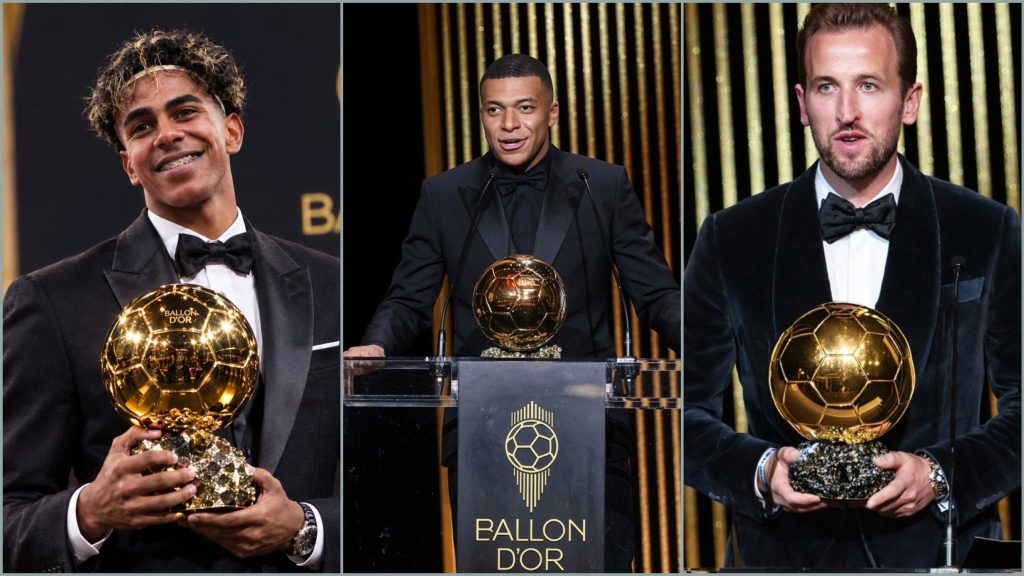
The football world is preparing for one of the most anticipated events on the global sporting calendar, with the 2026 Ballon d’Or ceremony scheduled to take place later today, October 26, as several of the game’s biggest stars make compelling cases for the prestigious individual honour.
The award, presented by France Football, recognises outstanding individual performances over the assessment period, taking into account players’ performances, achievements, influence on matches and overall contribution to their teams.
With football’s elite competing across domestic leagues and international tournaments, the race for this year’s award has generated significant interest among supporters, pundits and former players, all eager to see who will emerge as the sport’s outstanding individual performer.
A prestigious award with global significance
The Ballon d’Or remains one of the most recognisable individual awards in football. Winning it is widely regarded as a major career milestone, placing a player among the most celebrated figures in the history of the sport.
Beyond individual statistics, the award often sparks debate over what should matter most when identifying the best player in the world. Some voters place considerable emphasis on goals, assists and match-winning performances, while others consider consistency, tactical influence, performances in major competitions and team success.
Consequently, the eventual winner is expected to reflect a combination of individual excellence and achievements during the relevant assessment period.
Several players have strong cases
The 2026 contest is attracting attention because of the number of players capable of making a convincing argument for the award. For attacking players, goals, assists, creativity and decisive performances can strengthen their candidacies. Midfielders may rely on their ability to control games, create opportunities and influence results, while defenders and goalkeepers can make their cases through consistency, leadership and exceptional performances in crucial encounters.
Success in major competitions can also play an important role in shaping public opinion, although the award is not determined solely by trophies or statistics.
The strength of the field means that individual brilliance, consistency and performances on the biggest stages are likely to remain central to discussions surrounding the winner.
More than goals and trophies
One of the recurring debates surrounding the Ballon d’Or is whether the award should primarily reward the most statistically productive player or the footballer who has had the greatest overall influence on the game.
A prolific striker may have an advantage through goals and decisive contributions, but a creative midfielder could argue that their influence extends beyond numbers. Similarly, a defender who anchors a successful team may believe that defensive excellence deserves equal recognition.
These competing arguments are part of what makes the Ballon d’Or such a closely followed event. The final outcome can generate extensive discussion long after the ceremony has concluded.
The football community awaits the verdict
As the ceremony approaches, attention will turn to the official announcements, the leading contenders and the reactions of supporters around the world.
For the eventual winner, the award would represent recognition of an exceptional period in their career and a place among football’s most distinguished individual achievers. For the other nominees, the occasion offers an opportunity to celebrate their performances and contributions to the sport.
With several players making strong cases, the 2026 Ballon d’Or ceremony promises to be a major talking point across the football community.
Harry Kane, Lamine Yamal andMbappé among leading contenders


Harry Kane
The Bayern Munich andEngland striker is among theleading contenders followingaprolific campaign. Hisgoalscoring output and abilityto deliver in major matcheshavestrengthened his casefor a potential first Ballond’Or triumph.


Lamine Yamal
The Barcelona youngster isanother major name in theconversation. Hiscreativity,dribbling, attacking influenceand ability to troubleexperienced defendersmakehim a serious contender. Avictory would also put himin contention to becometheyoungest winner in theaward’s history.


Mbappé remains a strongcandidate because of hisgoalscoring record andperformancesfor RealMadrid and France. Hiscontributions on major stageshave kept him firmlywithinthe discussion over theworld’s best player.

Ousmane Dembélé
The reigning men’s Ballond’Or winner enters theceremony seeking to defendhisstatus. His inclusionamong the nomineesgives him an opportunityto reinforcehis standingafter winning the awardin 2025.
Women’s Ballon d’Oralso takes centre stage
The women’s award will be another majorattraction, with leading players fromacross the women’sgame competingfor individual recognition.
Among the nominees are Barcelona starsAlexia Putellas, Caroline Graham Hansen,Ewa Pajorand Clàudia Pina, alongsideArsenal’s Mariona Caldentey and AlessiaRusso, Manchester City’sKhadija Shawand OL Lyonnes’ Melchie Dumornay.
Putellas, a two-time former winner, isamong the most experienced candidateson the shortlist.The contest highlightsthe growing depth of talent and globalinterest in women’s football.
Other awards to be presented
Beyond the two main Ballon d’Or trophies,the ceremony will recognise outstandingachievementsacross several categories:
-
Men’s and Women’s Young Talentof the Year.
-
Men’s and Women’s Goalkeeperof the Year.
-
Men’s and Women’s Coach of the Year.
-
Men’s and Women’s Club of the Year.
-
Men’s and Women’s Striker of the Year.
-
The Sócrates Award, recognisinghumanitarian and social initiatives.
These categories will recognise individualexcellence, promising young players,coaching achievementsand the contributionsof clubs to the sport.
How is the winner decided?
The Ballon d’Or is decided by an internationaljury of football journalists, who assessthe nominees usingestablished criteria,including individual performances, teamachievements, class and sportsmanship.
The voting process is intended to recogniseoverall excellence rather than simply rewardthe playerwith the highest number of goalsor the most trophies. This leaves roomfor debate over the relativeimportanceof individual statistics, consistency andperformances in decisive matches.
As the football community turns its attentionto London, anticipation is building around thefinalverdict. With established champions andemerging stars competing for recognition,the 2026 ceremony is set to be a significantoccasion in the sport’s calendar.


